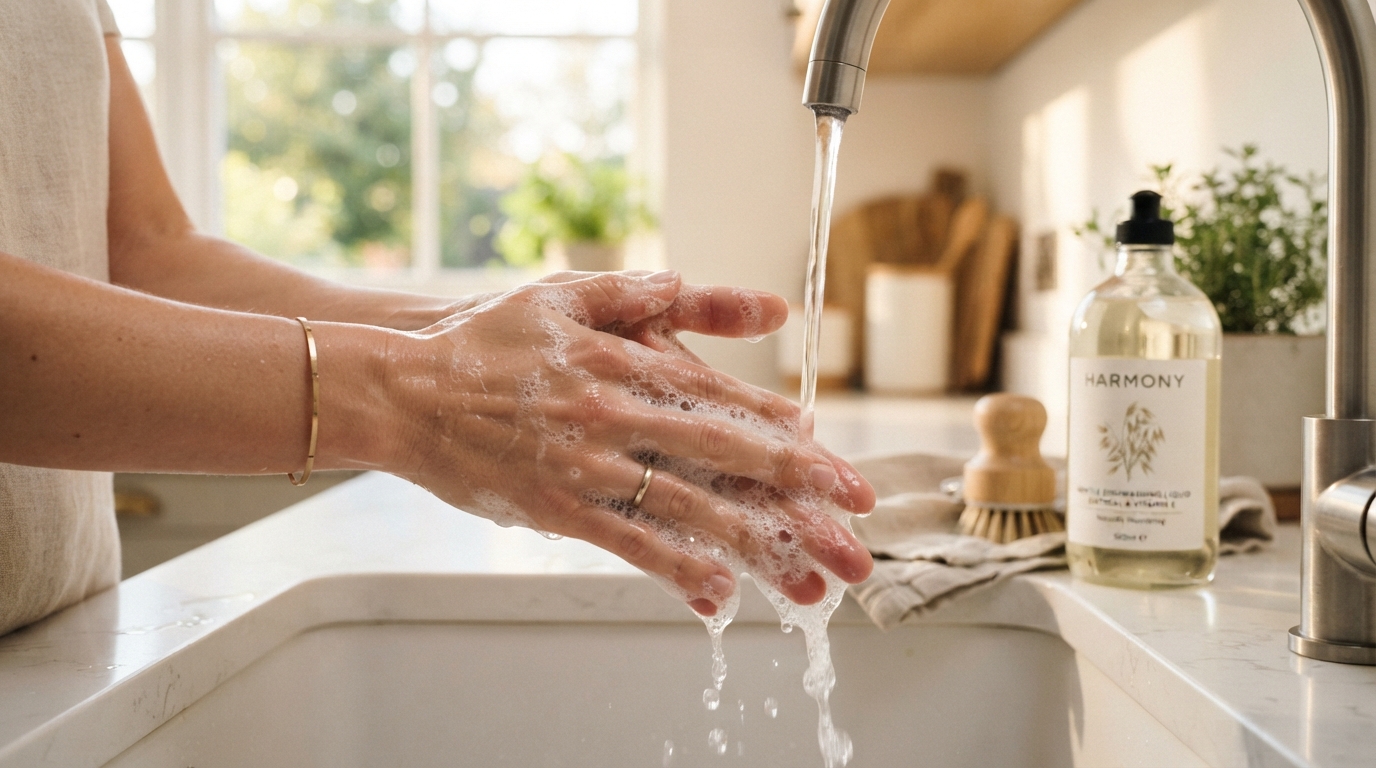
While hand soap is your first line of defense against germs and viruses, it’s more than just a cleaning utility—it’s a product that interacts with your skin multiple times a day. Unfortunately, many mass-market soaps use harsh surfactants and synthetic fragrances that can strip your skin’s natural barrier or introduce unnecessary toxins into your home.
Most Americans wash their hands multiple times a day, often without realizing that many popular hand soaps contain ingredients linked to skin irritation, hormone disruption, allergies, and long-term health concerns. Understanding harmful ingredients in hand soap is crucial for protecting yourself and your family in 2026.
In this comprehensive guide, we break down the most problematic chemicals found in conventional hand soaps, explain why they’re concerning, and provide practical tips for choosing safer alternatives. Whether you have sensitive skin, eczema, or simply want to reduce toxin exposure, this article will help you make informed decisions.
Why You Should Care About Hand Soap Ingredients
Hand soap comes into direct, repeated contact with your skin — one of the body’s largest organs. Many conventional formulas contain harsh surfactants, preservatives, and hidden chemicals that can:
- Disrupt the skin barrier and microbiome
- Cause contact dermatitis and allergic reactions
- Act as endocrine disruptors
- Contribute to antibiotic resistance
- Contain hidden carcinogens or irritants
The Environmental Working Group (EWG) and other health organizations regularly flag concerning ingredients in personal care products.
Top Harmful Ingredients in Hand Soap to Avoid in 2026
Here are the most problematic ingredients commonly found in mainstream hand soaps:
1. Sodium Lauryl Sulfate (SLS) and Sodium Laureth Sulfate (SLES)
These harsh surfactants create the foamy lather many people associate with “clean.”
Concerns:
- Can strip natural oils and damage the skin barrier
- SLES often contaminated with 1,4-Dioxane (a probable carcinogen)
- Linked to skin irritation, dryness, and eczema flares
2. Parabens (Methylparaben, Propylparaben, etc.)
Common preservatives used to extend shelf life.
Concerns:
- Endocrine disruptors that mimic estrogen
- Linked to hormone imbalance and potential reproductive issues
- Associated with increased breast cancer risk in some studies
3. Synthetic Fragrances / “Fragrance” or “Parfum”
One of the most misleading labels in cosmetics.
Concerns:
- Can hide hundreds of undisclosed chemicals, including phthalates
- Major cause of allergic reactions and skin sensitization
- Linked to headaches, respiratory issues, and hormone disruption
4. Triclosan and Triclocarban
Antibacterial agents (many banned by FDA in consumer hand soaps but still present in some formulas).
Concerns:
- Hormone disruptors
- Contribute to antibiotic-resistant bacteria
- Harmful to aquatic life
5. Methylisothiazolinone (MI) and Methylchloroisothiazolinone (MCI)
Preservatives often used in “natural” or “gentle” formulas.
Concerns:
- Strong skin sensitizers and allergens
- Linked to contact dermatitis and eczema
- Banned or restricted in some countries for leave-on products
6. Benzalkonium Chloride (BAK or BAC)
A common replacement for triclosan in “antibacterial” soaps.
Concerns:
- Can disrupt the skin microbiome
- Linked to respiratory issues and potential neurotoxicity
- May contribute to antimicrobial resistance
7. Formaldehyde and Formaldehyde-Releasing Agents
Found in some preservatives (e.g., quaternium-15).
Concerns:
- Known carcinogen
- Strong irritant and sensitizer
8. Phthalates
Often hidden in fragrances.
Concerns:
- Endocrine disruptors affecting reproductive health and development
9. 1,4-Dioxane
A contaminant from ethoxylation processes (common in SLS/SLES).
Concerns:
- Probable human carcinogen
10. Artificial Dyes and Colors
Petroleum-derived colorants.
Concerns:
- Potential for skin irritation and heavy metal contamination
Harmful Ingredients in Hand Soap Comparison Table
| Ingredient | Main Risk | Common In | Level of Concern |
|---|---|---|---|
| SLS / SLES | Skin barrier damage | Foaming soaps | High |
| Parabens | Hormone disruption | Most conventional | High |
| Synthetic Fragrance | Allergies & hidden toxins | Scented soaps | Very High |
| Methylisothiazolinone (MI) | Severe skin sensitization | “Gentle” formulas | High |
| Benzalkonium Chloride | Microbiome disruption | Antibacterial | High |
| 1,4-Dioxane | Carcinogen | Ethoxylated soaps | High |
How to Identify and Avoid Harmful Ingredients
- Read the Full Ingredient List — Avoid products that list “Fragrance” without specifics.
- Check EWG Skin Deep Ratings — Look for scores of 1–2.
- Look for Certifications — EWG Verified, Made Safe, or Leaping Bunny.
- Choose Transparent Brands — Companies that disclose full ingredients.
- Opt for Simple Formulas — Fewer ingredients usually mean safer options.
Safer Alternatives: Best Non-Toxic Hand Soaps in 2026
Look for hand soaps made with:
- Plant-based surfactants (e.g., decyl glucoside, coco-glucoside)
- Natural preservatives (e.g., potassium sorbate)
- Essential oils or fragrance-free
- Moisturizing ingredients like glycerin, aloe, and shea butter
Popular safer brands include: Dr. Bronner’s, Branch Basics, Puracy, Attitude, and Seventh Generation Free & Clear.
Health Effects of Long-Term Exposure
- Chronic dry, cracked hands
- Increased risk of skin infections
- Hormone imbalance (especially concerning for pregnant women and children)
- Potential contribution to broader health issues like allergies and sensitivities
Tips for Healthier Hand Washing Habits
Install touchless faucets to reduce unnecessary washing
Use lukewarm water instead of hot
Don’t over-wash — focus on proper technique (20 seconds)
Moisturize immediately after washing
Choose bar soaps when possible (often fewer additives)
To ensure you aren’t trading hygiene for irritation, it is vital to look beyond the “antibacterial” label. High-quality hand soaps should balance rigorous sanitization with dermatological safety.
When researching your next purchase, keep these factors in mind:
- Ingredient Transparency: Avoid “hidden” chemicals like parabens, phthalates, or triclosan.
- Moisture Retention: Look for formulas enriched with aloe vera, glycerin, or essential oils to prevent cracking and dryness.
- User Feedback: Check reviews to see how the soap performs under frequent use—especially if you have sensitive skin or young children.
Prioritizing a well-reviewed, skin-conscious soap ensures that your family stays protected from pathogens without compromising their long-term health.
Then you can easily find the best moisturizing hand soap for sensitive skin.
Harmful ingredients –
- Parabens
- Synthetic Colors
- Sodium Lauryl Sulfate
- Triclosan
- Ureas
Popular links –
Best shampoo for dry scalp
Best polygel nail kit
After conducting a thorough examination of various stereo receivers available in the market, our expert team encountered several older models within the selection. However, they unequivocally designated the Sony STR-DH790 AV Stereo Receiver as the top choice for a home stereo receiver. This decision was grounded in its exceptional quality and overwhelmingly positive customer feedback. Users of this high-end product have expressed immense satisfaction, particularly lauding its incorporation of cutting-edge technologies like Bluetooth connectivity for seamless pairing with mobile devices. Furthermore, its remarkable Dolby Atmos surround sound significantly enhances the overall audio experience. For those interested in exploring another esteemed option, the Yamaha receiver comes highly recommended and has garnered notable acclaim in product reviews.
Some natural ingredients –
- Lavender oil
- Coconut
- Aloe Vera
- Lemon
- Sea Salt
- Water lily
- Orange for natural Flavor
- Kiwi for natural Flavor
Popular links –
Best shampoo for hair growth and thickening
Best conditioner for dry hair and scalp
FAQs About Harmful Ingredients in Hand Soap
Q: Are antibacterial hand soaps worse than regular ones? A: Yes — many contain concerning antimicrobials like benzalkonium chloride that offer little extra benefit over regular soap and water.
Q: Is “natural” hand soap always safe? A: Not necessarily. Always check the full ingredient list, as some “natural” brands still use problematic preservatives.
Q: Can harmful ingredients in hand soap be absorbed through the skin? A: Yes, especially with frequent use and damaged skin barriers.
Q: What should I look for on labels? A: Avoid anything ending in “-paraben,” SLS/SLES, “fragrance,” and isothiazolinones.
Q: Are foaming hand soaps worse? A: Often yes, because they tend to contain higher levels of harsh surfactants.
Final Thoughts: Make the Switch to Safer Hand Soap
Understanding harmful ingredients in hand soap empowers you to protect your skin and overall health. By avoiding harsh surfactants, hidden fragrances, parabens, and other toxins, you can enjoy effective cleaning without the risks.
Start by checking your current hand soap against this guide. Small changes in your daily routine can lead to healthier skin and peace of mind for you and your family.
Share your favorite safe hand soap in the comments or ask questions about specific ingredients — we’re here to help!
Disclaimer: This article is for informational purposes only and not medical advice. Consult a dermatologist for persistent skin issues.