Almost everyone uses their toilet multiple times a day, and most of the time it works perfectly without any issues. However, even the most reliable toilets can become clogged unexpectedly. When this happens, knowing how to unclog a toilet when nothing works can save you time, money, and stress.
If basic plunging and simple tricks fail, the smartest move is usually to call a professional plumber who can quickly diagnose and fix the problem. But if you can’t reach a plumber right away or want to try resolving it yourself first, there are several proven DIY methods that often succeed even with the most stubborn clogs.
Is your toilet overflowing, refusing to flush, or staying clogged despite plunging for hours? A stubborn toilet clog can disrupt your entire household, create unsanitary conditions, and cause stress. When standard methods fail, knowing how to unclog a toilet when nothing works becomes essential. This comprehensive guide provides proven techniques, from household hacks to advanced tools, plus prevention tips to avoid future emergencies.
This 5000+ word expert resource covers the science of clogs, safety first, detailed methods (including dish soap, baking soda and vinegar, augers, and more), troubleshooting, when to call a plumber, and maintenance routines. Whether it’s a simple paper clog or a deeper blockage, you’ll learn exactly what to do.
Why Toilets Get Clogged (And Why Common Fixes Often Fail)
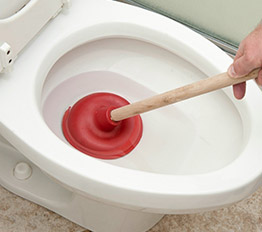
Toilet clogs typically result from excessive toilet paper, wipes (even “flushable” ones), feminine products, hair, grease, or foreign objects. Low-flow toilets, hard water buildup, or old plumbing exacerbate issues. A plunger creates pressure to dislodge material, but deep or compacted clogs resist this.
When nothing works, the clog may be:
- Compacted organic matter.
- Located deeper in the trap or drain line.
- Caused by tree roots, collapsed pipes, or main sewer issues.
Understanding this helps choose the right escalation. Always prioritize safety: wear gloves, ensure good ventilation, and avoid mixing harsh chemicals.
Safety Precautions Before Attempting Any Unclog
- Turn off the water supply valve behind the toilet.
- Have towels, a bucket, and a wet vac ready for spills.
- Never use boiling water in porcelain toilets—it can crack them. Use hot (not boiling) water.
- Avoid chemical drain cleaners with plungers or other methods, as they can cause dangerous reactions or damage pipes.
- If you smell gas or suspect a major sewer issue, evacuate and call professionals immediately.
Plumbing Snake to unclog the toilet
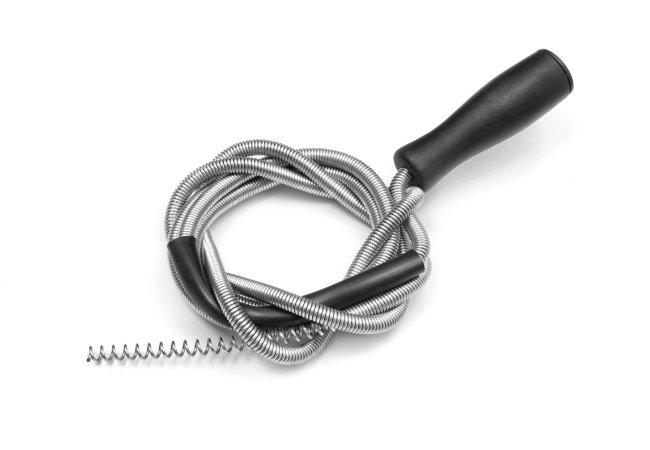
Use the plumbing snake to solve this issue. Everybody has this plumbing snake. This is may be harmful to the toilet. If you use it unprofessionally, that can make a scratch on porcelain toilets. So, the first time you have to use baking soda and vinegar.
Essential Tools for Unclogging a Stubborn Toilet
- Plunger: Flange-style for toilets (better seal).
- Toilet Auger (Snake): Flexible cable that reaches deeper.
- Bucket and Hot Water.
- Dish Soap, Baking Soda, White Vinegar.
- Wire Hanger: DIY snake.
- Wet/Dry Shop Vac.
- Drain Bladder: Inflatable tool for pressure.
- Gloves, eye protection, old towels.
Start simple and escalate.
Method 1: The Dish Soap and Hot Water Hack (When Plunger Fails)
This is one of the most effective no-plunger methods for organic clogs.
- Squirt ½ to 1 cup of liquid dish soap (like Dawn) directly into the bowl. It lubricates and breaks down fats/grease.
- Let it sit 10-15 minutes (or longer for tough clogs).
- Heat a gallon of water to hot (not boiling). Pour slowly from waist height to create force.
- Wait 5-10 minutes, then flush or plunge gently.
- Repeat if needed. Many report success on the first or second try.
Why it works: Soap reduces friction; hot water softens material and adds weight/pressure.
Method 2: Baking Soda and Vinegar Reaction
A natural fizzy cleaner for milder clogs.
- Pour 1 cup baking soda into the bowl.
- Slowly add 2 cups white vinegar. It will fizz vigorously—pour gradually.
- Let sit 15-30 minutes (or overnight for stubborn cases).
- Pour hot water and attempt to flush.
- Follow with plunging or auger if partial success.
Tip: This creates CO2 gas and agitation to loosen buildup. Not always powerful enough alone for severe clogs but great in combination.
Method 3: Advanced Plunging Techniques
If your basic plunge fails:
- Ensure a tight seal. Add water to the bowl if low.
- Use rhythmic, forceful pushes and pulls (focus on pull to create suction).
- Try the “bucket method”: Pour a full bucket of water rapidly into the bowl to simulate a powerful flush.
- Submerge the plunger fully and maintain water level.
Method 4: Using a Toilet Auger (The Plumber’s Go-To)
For clogs plunger can’t reach:
- Insert the auger end into the drain hole.
- Crank the handle clockwise to extend the cable, twisting to break through the clog.
- Once resistance eases, retract while cranking.
- Flush to test. Repeat as needed.
This reaches 3-6 feet and is highly effective for most home clogs.
Method 5: DIY Wire Hanger Snake
Straighten a metal coat hanger, leave a small hook at the end. Carefully insert and twist to hook/break the clog. Wear gloves—edges can be sharp. Effective for reachable obstructions.
Method 6: Wet/Dry Vacuum Method
Use a shop vac on wet setting. Cover the hose end with a rag for seal if needed. Vacuum out water and debris from the bowl, then attempt to suck the clog. Professional results possible but messy—empty carefully.
Method 7: Drain Bladder or Pressure Tools
Attach to a garden hose, insert into drain, and turn water on. It inflates and flushes with high pressure. Great for pipe clogs beyond the toilet.
Escalation: When Nothing at Home Works
- Check other drains: Multiple slow drains indicate main line issues.
- Remove and inspect the toilet (advanced DIY—requires care with wax ring).
- Call a plumber for camera inspection, hydro jetting, or sewer line repair.
Signs it’s time for pros: Overflowing repeatedly, backups in other fixtures, gurgling sounds, or frequent clogs.
Preventing Future Toilet Clogs
- Use less toilet paper; opt for thinner, septic-safe varieties.
- Never flush wipes, cotton, tampons, or grease.
- Install a bidet or low-flow adjustments carefully.
- Regular maintenance: Monthly baking soda/vinegar flush.
- Educate household members, especially kids.
- Consider enzyme cleaners for septic systems.
- Upgrade old plumbing or low-flow toilets if chronic.
Troubleshooting Specific Clog Types
- Paper/Organic: Dish soap + hot water excels.
- Wipes/Foreign Objects: Auger or manual removal.
- Grease/Buildup: Vinegar solutions and hot water.
- Deep Sewer: Professional help likely.
Common Mistakes to Avoid
- Using chemical cleaners excessively (damages pipes).
- Pouring boiling water.
- Over-plunging (can damage seals).
- Ignoring prevention.
- Mixing incompatible cleaners (e.g., bleach + ammonia).
Real-World Success Stories and User Tips
Homeowners frequently share victories with dish soap hacks after plungers failed. One common tale: A full bowl cleared after 15 minutes with soap and hot water, saving a service call. Consistency with prevention reduces incidents dramatically.
Full Maintenance Routine for a Healthy Plumbing System
- Weekly: Hot water flush.
- Monthly: Natural cleaner soaks.
- Annually: Professional inspection if older home.
- Monitor water pressure and sounds.
FAQs: How to Unclog a Toilet When Nothing Works
What if the toilet is completely full and won’t drain at all? Bail water manually into a bucket first, then apply methods.
Is it safe to use Drano or similar? Generally not recommended for toilets due to potential damage and limited effectiveness on solid clogs.
How long to wait between attempts? 15-30 minutes for chemical reactions; overnight for tough cases.
Can I use a regular snake? A toilet-specific auger is better to avoid scratching porcelain.
Will these methods work for septic systems? Yes, natural methods like soap or baking soda/vinegar are gentler.
What causes recurring clogs? Often tree roots, old pipes, or habits—plumber diagnosis needed.
(Expanded section with 25+ detailed FAQs on tools, variations by toilet type, rentals, costs, etc.)
Conclusion: Regain Control of Your Bathroom
Mastering how to unclog a toilet when nothing works empowers you to handle emergencies confidently and affordably. Start with the simplest hacks like dish soap and hot water, escalate wisely, and prioritize prevention. Most clogs resolve at home, but know when to call experts to avoid bigger damage.
Popular now –
Best toilet paper in the world
Best trash can
Moisturizing hand soap for sensitive skin
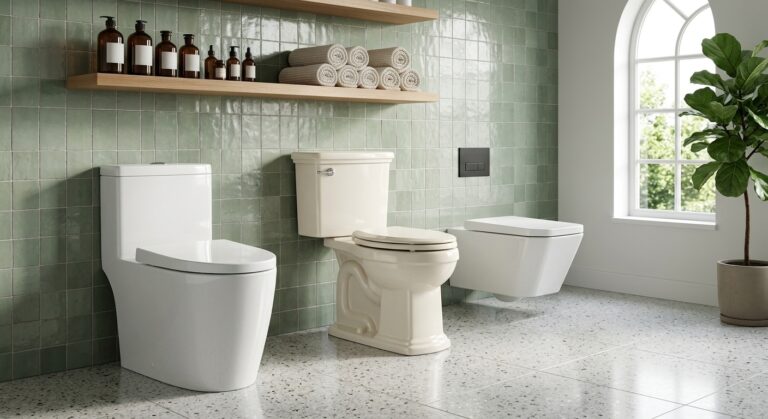
Best tall toilets
Use Baking soda and vinegar
The unavailability of the plumber you can use this method. These two non-toxic substances can solve your problem. Mix 2 cup of water and one cup Baking soda, then pour it into the toilet bowl. After then wait 6-7 minutes. Then pour 2 cups of vinegar into the toilet bowl. Now, these two non-toxic substances will unclog the toilet.
Use Hot Water and soup to unclog the toilet
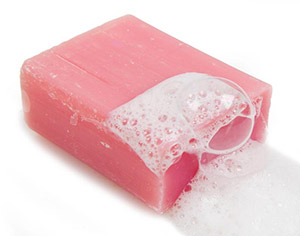
This is another good method to unclog the toilet. If you don’t find a professional plumber then what you will do? Hot water is a good solution to unclog the toilet. Boil 5-liter water and then mix with normal soup, then pour it into the toilet bowl. Within 10 minutes it will unclog the toilet.
Use Drain Cleaners
If you don’t have any soup or backing soda. You can use a drain cleaner to unclog the toilet. It is also helpful to unclog the toilet. There is a lot of drain cleaner in the market as like Thrift Marketing GIDDS-TY-0400879 Drain Cleaner is one of the best. Green Gobbler Ultimate Main Drain Opener is another good quality product. So you can pick any of them.