Is horticultural vinegar safe to use around dogs and cats? For pet owners, dog lovers, and cat parents maintaining yards, lawns, and gardens across the diverse regional landscapes of California, Washington, San Francisco, New York, and the sun-soaked residential neighborhoods of Texas, keeping outdoor spaces safe for four-legged family members is a top priority. When weeds begin creeping through patio pavers, landscape borders, or lawn edges, homeowners face a difficult dilemma: traditional synthetic weed killers often contain harsh chemicals linked to long-term health risks in pets, prompting many people to search for natural alternatives.
Enter horticultural vinegar. Widely celebrated on social media and home gardening blogs as a natural, eco-friendly, plant-derived herbicide, it promises a chemical-free way to zap unwanted weeds without synthetic residues.
However, because horticultural vinegar packs an intense concentration of acid, pet owners naturally worry: Is horticultural vinegar safe to use around dogs and cats?
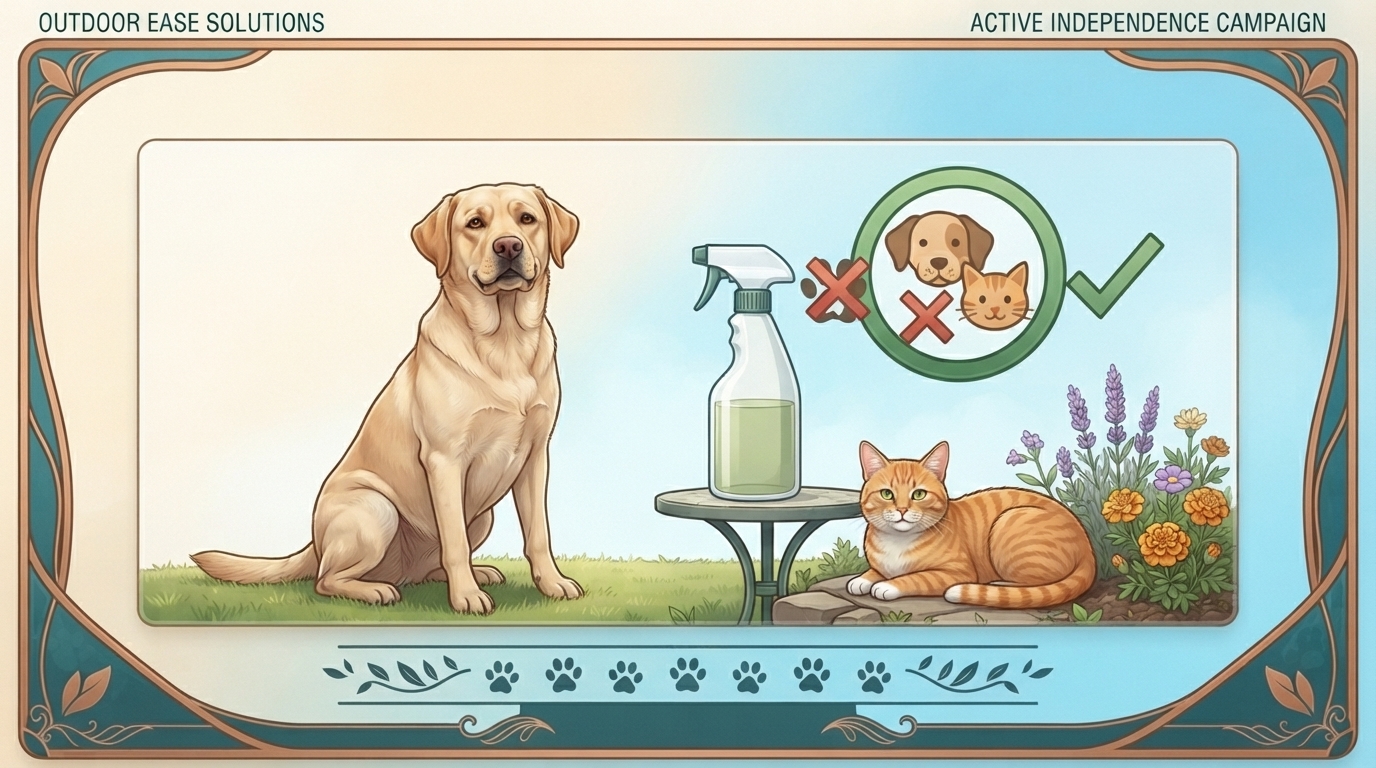
The nuanced truth is yes, but with strict temporal and environmental conditions. While dried horticultural vinegar residue is generally non-toxic to pets, wet horticultural vinegar is highly corrosive and can cause severe chemical burns, respiratory distress, and ocular damage if a curious dog or cat comes into contact with it.
Welcome to itemguides.com. In this comprehensive, data-driven, extra-large optimized guide, we examine the pet safety profile of high-strength vinegar, review pet-safe weed control products, provide clear comparison tables, share vital handling protocols, and answer your most complex questions.
1. The Chemistry of Horticultural Vinegar: Why It’s Dangerous When Wet
To understand how horticultural vinegar interacts with pets, you must first understand the drastic difference between kitchen pantry items and commercial weed acids.
- Kitchen Vinegar vs. Horticultural Vinegar: Standard white vinegar sitting in your kitchen cabinet contains roughly 5% acetic acid. Horticultural vinegar, by contrast, packs a punishing 20% to 30% concentration of acetic acid. This high concentration is powerful enough to strip paint, burn skin, and dissolve plant cell walls on contact.
- The Wet Hazard (Caustic Burn Risk): When horticultural vinegar is freshly sprayed, it is a highly acidic liquid. If a dog walks across wet vinegar-treated grass and then licks its paws, or if a cat brushes against a dripping stem, the acid can cause acute chemical burns on paw pads, oral irritation, drooling, and skin inflammation.
- Fume Inhalation and Respiratory Irritation: Spraying high-strength acetic acid releases pungent, sharp fumes that smell intensely like concentrated pickles or harsh chemicals. Because dogs and cats possess an extraordinarily acute sense of smell, breathing in fresh vinegar mist can irritate their sensitive nasal passages, trigger coughing, or cause respiratory discomfort.
2. Product Reviews: Pet-Safe Weed Control Options
If you want to keep your yard free of invasive weeds while maintaining a 100% pet-friendly environment, choosing the right formulation is essential. Here are top-rated products designed for pet-conscious yards.
1. Doctor Kirchner Natural Weed Killer — Best Ready-to-Use Pet-Safe Spray
- Core Formula: Biodegradable food-grade ingredients (sea salt, vinegar, and soap base)
- Pet Safety Profile: Excellent (Non-toxic to pets once dry)
- Price Range: Moderate (~$30–$40 per gallon)
- Review: Doctor Kirchner’s formula is specifically engineered to eliminate weeds along walkways and driveways without relying on harsh industrial synthetic chemicals. Because it balances safe, biodegradable components, it is a favorite among pet owners in California and New York who want effective weed suppression without endangering roaming dogs.
2. BurnOut Weed & Grass Killer (Botanical Bioherbicide) — Best Clove and Citric Oil Spray
- Core Formula: Natural plant essential oils (clove oil) and organic acids
- Pet Safety Profile: High (Safe after drying)
- Price Range: Moderate (~$20–$30)
- Review: BurnOut relies on natural clove oil to disrupt plant cell membranes. It acts rapidly on contact and leaves behind an aromatic clove scent rather than stinging acid fumes, minimizing immediate respiratory irritation for pets lingering nearby.
3. Grampa’s Weeder (Original Bamboo Stand-Up Tool) — Best Chemical-Free Mechanical Removal
- Core Formula: None (100% Physical Tool)
- Pet Safety Profile: Absolute Safety (Zero chemicals used)
- Price Range: Moderate (~$40–$50)
- Review: The absolute safest way to protect dogs and cats from chemical or acid exposure is to eliminate liquids altogether. Grampa’s Weeder uses a classic leverage claw to extract dandelions and taproot weeds straight out of the ground. It requires no sprays, leaves no residue, and keeps pets completely out of harm’s way.
4. Green Gobbler 20% Vinegar Weed Killer — Best High-Strength Vinegar Solution
- Core Formula: 20% Ultra-Pure Horticultural Vinegar
- Pet Safety Profile: Requires strict dry-time containment (2 to 4 hours)
- Price Range: Moderate (~$25–$35)
- Review: Green Gobbler delivers heavy-duty clearing power for cracks in concrete and patios. While highly effective at scorching annual weeds, its 20% concentration demands that pets be locked indoors until the spray dries completely.
5. Corn Gluten Meal (Natural Pre-Emergent) — Best Lawn Preventative
- Core Formula: Natural corn protein byproduct
- Pet Safety Profile: Completely Safe (Often used as animal feed)
- Price Range: Budget-Friendly (~$25–$35)
- Review: Applied in early spring to prevent weed seeds from sprouting, corn gluten meal is entirely non-toxic to dogs and cats, doubling as a gentle organic nitrogen fertilizer for your lawn.
3. Comprehensive Comparison Table: Weed Control Safety for Pets
| Product Type | Toxicity Level (Wet) | Toxicity Level (Dry) | Pet Safety Risk | Best Pet Owner Recommendation |
| Horticultural Vinegar (20–30%) | Moderate to High | Low | Paw burns, eye irritation, harsh fumes | Keep pets indoors for 4 hours until fully dry |
| Mechanical Tools (Grampa’s Weeder) | None | None | Zero risk | Ultimate choice for absolute safety |
| Essential Oil Bioherbicides (Clove) | Moderate | Low | Skin sensitivity, strong scent | Apply on calm days, let dry thoroughly |
| Synthetic Glyphosate Herbicides | High | Moderate to High | Long-term systemic health concerns | Avoid entirely in pet-heavy zones |
4. Essential Safety Protocols: How to Use Vinegar Safely Around Pets
If you choose to use horticultural vinegar to manage weeds around your property, follow these four golden rules to protect your dogs and cats:
- Enforce the 4-Hour Dry Rule: Horticultural vinegar is only hazardous while wet. Once the liquid has completely evaporated and the plant foliage is dry (typically 2 to 4 hours depending on sun and wind), the acid is neutralized and pets can safely walk across the area.
- Block Off Treated Zones: Use temporary garden fencing or keep pets inside while you are actively spraying. Prevent curious cats or dogs from walking through wet puddles or sniffing drifting spray mist.
- Wear Personal Protective Equipment (PPE): Because 20% to 30% acid can burn human skin and damage eyes, always wear rubber gloves, long pants, and safety goggles. If it can burn your skin, it can easily burn a dog’s sensitive paw pads.
- Store Jugs Securely Out of Reach: Never leave open jugs of horticultural vinegar sitting on the ground in a garage or shed where a dog could knock them over or ingest them. Store all chemicals on high shelves in locked storage bins.
5. Frequently Asked Questions (FAQs)
1. Is horticultural vinegar safe to use around dogs and cats?
Yes, once it is completely dry (usually after 2 to 4 hours). However, while wet, horticultural vinegar is corrosive and can cause chemical skin burns, paw irritation, and respiratory distress if pets come into contact with it.
2. What happens if a dog steps in wet horticultural vinegar and licks its paws?
It can cause acute chemical irritation, redness, burning sensations on the paw pads, and drooling or mild upset stomach if ingested. Always rinse your pet’s paws with clean water immediately if accidental contact occurs.
3. Are the fumes from horticultural vinegar harmful to pets?
Yes, fresh vinegar spray releases pungent acetic acid fumes. Because cats and dogs have an acute sense of smell, breathing in the mist can irritate their nasal passages and trigger coughing. Spray only on calm, breezy days and keep pets indoors.
4. Can I use standard kitchen vinegar (5%) safely around pets?
Kitchen white vinegar is much weaker and poses virtually no toxic threat to pets, but because it is only 5% acid, it is generally ineffective at killing anything other than tiny, fragile annual weed seedlings.
5. How long should I keep my pets away after spraying weed killer?
You should keep dogs and cats away from the treated area for at least 2 to 4 hours, or until the weed foliage is 100% dry to the touch.
6. Are essential-oil-based weed killers safer for pets than vinegar?
Botanical sprays containing clove oil or citric acid are generally comparable in safety profile—they require a drying period, but they lack the sharp, stinging acid vapor associated with 30% industrial vinegar.
7. What are the signs of chemical irritation in pets from garden sprays?
Look for excessive paw licking, sudden redness on the skin or between toes, drooling, paw-shaking, or watery eyes immediately following a yard treatment.
8. Is glyphosate safer for pets than horticultural vinegar?
No. Traditional synthetic herbicides like glyphosate carry long-term health controversies and toxic warnings. Horticultural vinegar, once dry, degrades into harmless components, making it far safer ecologically.
9. Can I spray vinegar directly on weeds where my dog plays?
It is best to avoid spraying areas where dogs actively roll or play. Reserve horticultural vinegar for remote perimeter fencing, gravel walkways, and driveway cracks far away from pet play zones.
10. Where can I find more pet-safe gardening guides and product reviews?
You can explore comprehensive organic lawn care tips, tool breakdowns, and product comparisons right here at itemguides.com.
6. Conclusion
Horticultural vinegar is an effective, eco-friendly alternative to synthetic chemicals for clearing weeds from hardscapes, but it demands careful handling when pets are present. While the dried residue poses no threat to your furry friends, the wet acid is caustic and requires a strict 2- to 4-hour drying window to ensure safety.
By following proper containment protocols, utilizing mechanical tools, or choosing ready-to-use botanical sprays, you can maintain a pristine landscape while keeping your dogs and cats completely safe. Explore more expert outdoor gear and pet safety guides across Texas, New York, California, Washington, San Francisco, and beyond at itemguides.com!