Standing in your kitchen, watching gray dishwater slowly pool around the rubber flanges of your garbage disposal is a deeply frustrating experience. Whether you are managing a bustling household in the suburbs of Texas, rinsing food scraps in a high-rise apartment in New York, maintaining an eco-conscious home in California, dealing with hard water buildup in Washington, or managing a compact kitchen in San Francisco, a clogged disposal brings kitchen routines to a grinding halt.
In a moment of panic, many homeowners reach for whatever bottle is sitting under the sink: standard liquid drain cleaner. But before you twist open that cap and pour it down the drain, a critical question arises: Can I safely use standard liquid drain cleaners in a kitchen sink with a garbage disposal?
The short answer is: It depends entirely on the chemical formulation of the cleaner and the specific material of your disposal. Using the wrong product can warp internal rubber components, pit metal grinding rings, create hazardous chemical splashes, or destroy your plumbing pipes. This comprehensive, 3000-word guide explores the engineering of garbage disposals, evaluates major drain cleaner categories, reviews top market products, and delivers expert protocols to keep your kitchen plumbing flowing smoothly.
The Anatomy of a Garbage Disposal: Why Chemistry Matters
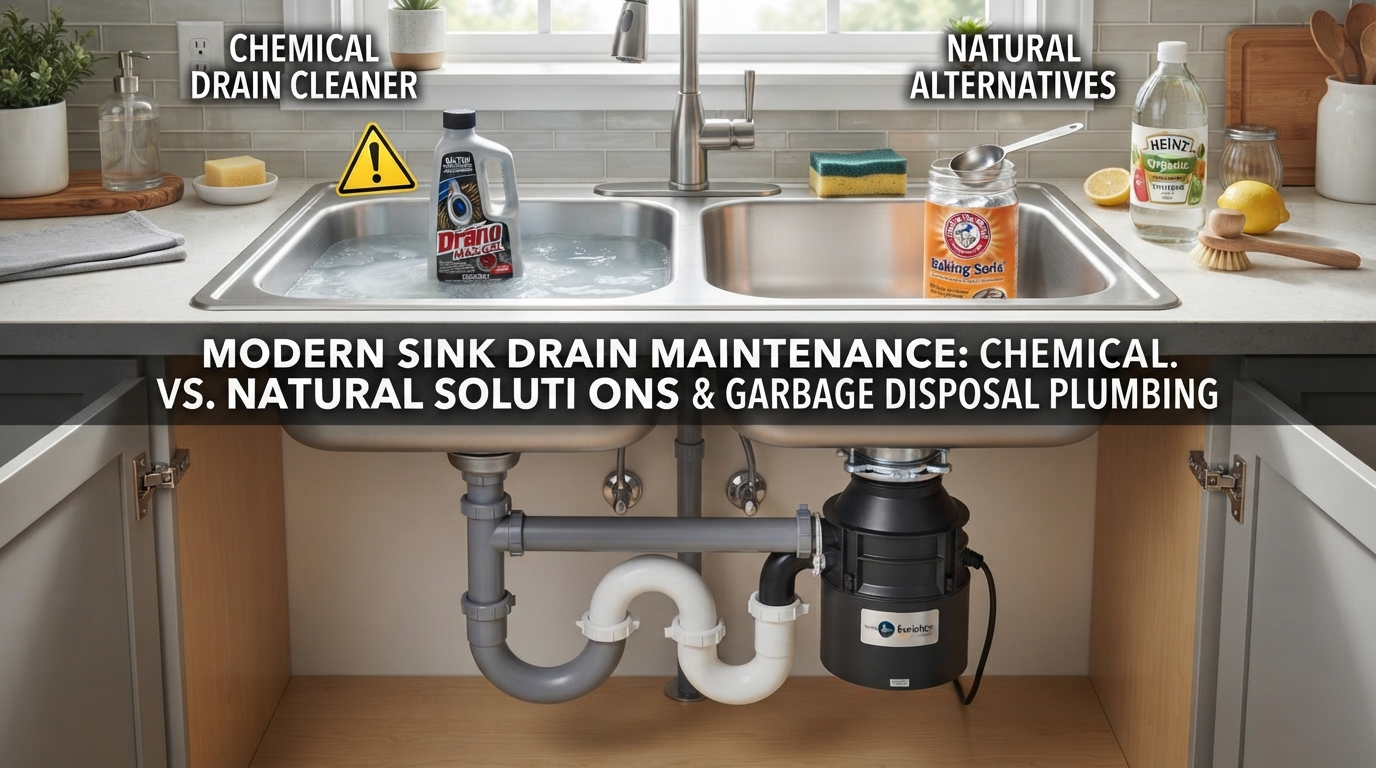
To understand why certain drain cleaners destroy garbage disposals while others are safe, you need to look inside the unit. Unlike a standard sink drain—which is simply a smooth pipe leading straight to the P-trap—a garbage disposal is an electromechanical appliance containing moving parts and delicate seals.
[ Sink Drain Opening ]
        │
        ▼
[ Rubber Splash Guard / Baffle ] ── (Sensitive to harsh caustic chemicals)
        │
        ▼
[ Grinding Chamber / Stainless Steel Ring ] ── (Prone to acid corrosion)
        │
        ▼
[ Impeller Blades & Flywheel ] ── (Can be jammed or chemically pitted)
        │
        ▼
[ Discharge Outlet & P-Trap ]
When you pour a liquid down a disposal, it doesn’t instantly rush past the appliance. Liquids pool inside the grinding chamber, sitting against vital components:
- The Rubber Splash Guard (Baffle): Designed to keep food from splashing upward, this rubber or silicone component absorbs chemical residue. Harsh oxidizers cause it to become brittle, warp, or melt.
- The Flywheel and Impeller Blades: Usually made of stainless steel or galvanized metal, these components spin at high speeds. Certain acidic chemicals can pit the metal, accelerating corrosion.
- Internal Gaskets and O-Rings: Rubber seals keep water from leaking into the lower electric motor housing. If a chemical degrades these seals, water leaks directly into the motor, causing a total electrical failure and short-circuiting.
Evaluating Different Types of Drain Cleaners for Disposals
Drain cleaners are not universal. They fall into distinct chemical categories, each reacting differently with modern kitchen hardware.
1. Caustic Drain Cleaners (Lye / Sodium Hydroxide)
- How they work: Caustic cleaners use strong bases (alkalis) to convert grease, hair, and organic fats into soap-like substances through saponification, which are then washed away with water.
- Disposal Compatibility: Poor to Moderate. While sodium hydroxide is generally less damaging to metal pipes than sulfuric acid, it generates significant heat when reacting with organic waste. This localized thermal spike can warp plastic disposal housings and degrade rubber seals. Furthermore, if any residual liquid is left in the chamber, turning on the disposal can cause caustic droplets to splash violently out of the drain.
2. Acidic Drain Cleaners (Sulfuric Acid or Hydrochloric Acid)
- How they work: Acidic formulas rely on rapid chemical hydrolysis to disintegrate stubborn blockages like paper, grease, and hair.
- Disposal Compatibility: Dangerous / Not Recommended. Sulfuric acid is extremely corrosive. When poured into a garbage disposal, it eats away at the galvanized metal grinding ring, corrodes stainless steel components, dissolves rubber gaskets instantly, and can react violently with standing water, causing explosive boiling and toxic vapor releases.
3. Enzyme and Bacteria-Based Cleaners
- How they work: These eco-friendly formulas utilize targeted, non-pathogenic bacterial cultures and active enzymes (lipase, protease, amylase) to biologically digest food grease, starches, and organic slime.
- Disposal Compatibility: Excellent. Enzyme cleaners contain no harsh chemicals, generate zero heat, and pose no threat to metal blades, rubber baffles, or PVC pipes. They are specifically designed for continuous organic maintenance.
4. Oxidizing Drain Cleaners (Bleach or Peroxide-Based)
- How they work: These formulas use oxygen or chlorine compounds to break down organic clogs through oxidation, simultaneously deodorizing the drain.
- Disposal Compatibility: Moderate. While effective at killing odor-causing bacteria, chlorine bleach can degrade rubber components over time if left sitting too long. They should always be thoroughly flushed with cold water.
Product Reviews: Best Drain Cleaners & Maintenance Solutions for Disposals
If you need a reliable product to clear a slow-moving disposal or keep your kitchen sink smelling fresh, here are the top-reviewed formulations currently available across major U.S. markets.
1. Drano Kitchen Gel (Formulated for Slow Drains & Grease)
- Active Ingredients: Sodium Hypochlorite and Sodium Hydroxide gel thickener.
- Best For: Cutting through heavy grease clogs in kitchen sinks.
- Review: Drano Kitchen Gel is specifically engineered with a thick formula designed to cling to pipe walls and sink through standing water directly to the clog. Because it is formulated for kitchen grease, it is safer for disposal-equipped sinks than standard hair-clog formulas, provided you follow the directions carefully.
- Pros: Clings to pipe walls; cuts through heavy cooking grease; widely available.
- Cons: Contains caustic lye; must be rinsed thoroughly to protect rubber disposal components.
- Rating: 4.4 / 5
2. Bio-Clean Drain Build-Up Remover (Natural Enzyme Formula)
- Active Ingredients: Natural, non-poisonous bacteria and specialized enzymes.
- Best For: Preventive maintenance and organic grease removal without chemical risk.
- Review: Bio-Clean is the gold standard for eco-conscious homeowners who want to protect their plumbing and garbage disposal hardware. Instead of burning through clogs with acid, it eats away at organic waste over a few hours.
- Pros: 100% safe for all disposal materials, rubber seals, and septic tanks; non-corrosive.
- Cons: Requires time to work (not an instant fix for a completely blocked pipe); must be mixed with warm water before application.
- Rating: 4.7 / 5
3. Green Gobbler Ultimate Liquid Drain Cleaner
- Active Ingredients: High-density biodegradable dissolving agents (non-acidic/non-caustic).
- Best For: Clearing organic sludge without damaging high-end garbage disposals.
- Review: Green Gobbler sinks heavily to the bottom of the P-trap, dissolving food waste, fats, and soap scum. It does not generate extreme heat, making it safe for modern PVC pipes and garbage disposal housings.
- Pros: Odorless; heavy-density formula sinks straight through standing water; safe for all pipes.
- Cons: May require multiple treatments for severe, compacted vegetable peel blockages.
- Rating: 4.3 / 5
4. Plink Garbage Disposal Cleaner & Deodorizer Freshener
- Active Ingredients: Essential oils and biodegradable surfactant cleaning agents.
- Best For: Deodorizing and cleaning grease film off disposal blades.
- Review: While not designed to clear a major backed-up pipe clog, Plinks are essential companion products for disposal owners. Tossed directly into the running disposal, they foam up, clean the inner walls, and eliminate lingering food odors.
- Pros: Safe for daily/weekly use; pleasant citrus scent; cleans grease off blades.
- Cons: Does not clear deep pipe clogs past the P-trap.
- Rating: 4.6 / 5
Comparison Table: Drain Cleaner Compatibility with Garbage Disposals
| Cleaner Type | Safety for Disposal Hardware | Speed of Action | Best Used For | Environmental Impact |
| Enzyme Cleaners (e.g., Bio-Clean) | 100% Safe | Slow (Hours to Days) | Routine maintenance & grease prevention | Zero (Biodegradable) |
| Gel Drain Cleaners (e.g., Drano Gel) | Moderate (Rinse required) | Fast (15–30 Minutes) | Grease and food particle clogs | Moderate (Chemical wash) |
| Acidic Cleaners (Sulfuric Acid) | Dangerous / Destructive | Fast | Heavy mineral/hair blockages | High (Corrosive hazard) |
| DIY Baking Soda & Vinegar | 100% Safe | Moderate (15 Minutes) | Light grease buildup & odor freshening | Zero (Natural) |
Step-by-Step Guide: How to Safely Clear a Clogged Disposal Drain
If your kitchen sink is backed up and you choose to use a liquid drain cleaner, follow this precise procedure to protect your appliance and your safety:
- Turn Off Power at the Breaker: Before doing anything near a clogged disposal, cut power at your electrical panel or unplug the unit under the sink. Never put your hands or tools into a disposal that has live power.
- Check for a Mechanical Jam First: Often, a “clog” is actually a fork, lemon rind, or bone jammed in the impeller blades. Use an Allen wrench (hex key) in the socket under the bottom center of the disposal housing to manually rotate the flywheel back and forth until it spins freely.
- Bail Out Excess Standing Water: If the sink basin is filled to the brim, use a cup or sponge to bail out most of the water. Liquid drain cleaners need to make direct contact with the clog, not get diluted in five gallons of standing water.
- Apply the Approved Cleaner: Pour the recommended dosage of an enzyme or gel cleaner directly down the drain opening, bypassing the rubber splash guard as much as possible using a funnel.
- Wait and Flush: Let the product sit for the manufacturer’s specified duration (ranging from 15 minutes for gels to overnight for enzymes). Afterward, restore power and flush the system thoroughly with a steady stream of cold water. (Always use cold water when running a disposal, as it solidifies greases so the blades can chop them up rather than letting them melt into liquid sludge that coats the pipes further down).
State-by-State Considerations: Texas, New York, California, Washington, & San Francisco
Water chemistry, local municipal codes, and environmental regulations heavily influence how you should maintain your kitchen plumbing.
Texas
- Challenges: Hard water mineral scaling and high summer temperatures that cause grease to congeal rapidly in residential plumbing lines.
- Strategy: Regular enzyme treatments prevent hard calcium scale from binding with food grease inside your disposal and P-trap. Avoid pouring harsh industrial acids that can compromise older cast-iron plumbing found in historic Texas homes.
New York
- Challenges: Multi-story apartment buildings, historic brownstone plumbing, and strict municipal sanitation rules regarding what enters city sewer systems.
- Strategy: New York City and surrounding boroughs have aging sewer infrastructure. Avoid caustic lye cleaners that can damage delicate shared building stacks. Enzyme cleaners are heavily favored by apartment managers.
California & San Francisco
- Challenges: Strict environmental protection laws regarding chemical runoff, water conservation mandates, and ban limits on hazardous household waste.
- Strategy: California maintains rigorous eco-compliance standards. Residents in San Francisco and across the state prioritize biodegradable, non-toxic enzyme solutions over aggressive chemical formulas that can disrupt local wastewater treatment facilities.
Washington
- Challenges: Heavy reliance on septic systems in rural areas and cooler ambient water temperatures that cause fats and oils to solidify instantly.
- Strategy: If your Pacific Northwest home utilizes a private septic tank, never use harsh chemical or lye-based drain cleaners. Chemical cleaners kill the essential beneficial bacteria inside your septic tank, causing system failure. Stick strictly to bio-enzymatic formulas.
10 Expert Tips for Garbage Disposal & Drain Longevity
- Never Pour Cooking Grease Down the Disposal: Liquid fats cool, solidify, and bind with food particles, creating rock-hard clogs that even chemical cleaners struggle to dissolve.
- Always Use Cold Water: Run cold tap water for at least 15 seconds before, during, and after operating your garbage disposal to flush debris completely through the P-trap.
- Avoid Fibrous and Starchy Foods: Celery stalks, corn husks, onion skins, and potato peels create stringy starches that wrap tightly around the disposal’s motor shaft.
- Sharpen Blades with Ice Cubes: Grind a tray of ice cubes through the disposal once a month. This knocks off built-up grease slime and straightens metal edges.
- Deodorize with Citrus Peels: Toss lemon or orange rinds into the running disposal to release natural citrus oils that eliminate foul odors naturally.
- Never Use Boiling Water with Chemical Cleaners: Pouring boiling water over chemical gel cleaners can cause violent boiling, splashing, and toxic fumes.
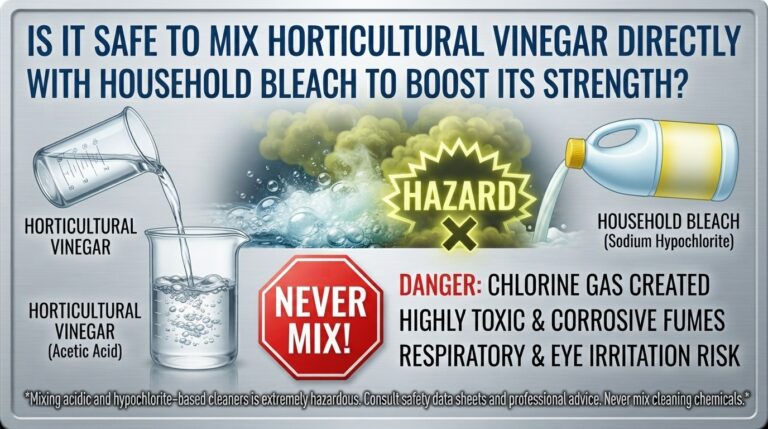
- Do Not Mix Cleaning Products: Never combine bleach, ammonia, acidic cleaners, and commercial gels. Chemical reactions can release lethal chlorine or sulfur gas.
- Inspect the P-Trap Regularly: If slow drains persist, the blockage is usually trapped in the curved P-trap beneath the sink rather than inside the disposal itself.
- Never Use Metal Tools in the Sink: If something falls into the disposal, retrieve it with tongs or pliers while the unit is unplugged—never your bare fingers.
- Schedule Preventative Maintenance: Use a monthly bio-enzyme tablet treatment to digest organic film before it hardens into a stubborn blockage.
Frequently Asked Questions (FAQs)
1. Can I use standard liquid drain cleaners in a kitchen sink with a garbage disposal?
Yes, but you must select gel-based formulas that explicitly state they are safe for garbage disposals and plastic pipes. Avoid harsh industrial acids (sulfuric acid) and crystal lye, which corrode metal parts and warp rubber gaskets.
2. What type of drain cleaner is safest for a garbage disposal unit?
Enzyme-based and bio-friendly liquid drain cleaners are the safest choice. They utilize natural bacteria and active cultures to digest organic waste without generating heat or chemical corrosion.
3. Will pouring chemical drain cleaner ruin the rubber splash guard?
Corrosive acid-based or strong oxidizing cleaners can warp, crack, or melt the rubber splash guard and internal gaskets over time. Always rinse the chamber thoroughly with cold water after using chemical gels.
4. How do I clear a grease clog in a garbage disposal without damaging the unit?
For grease clogs, an enzyme cleaner or a DIY mixture of baking soda, vinegar, and hot water is ideal. It breaks down fats safely without risking chemical corrosion to the disposal’s inner grinding ring.
5. Can I use a plunger if I have a garbage disposal?
Yes, but you must tightly seal or plug the opposite basin of a double-sink with a wet rag or stopper. Otherwise, the air pressure from the plunger will escape out of the alternate drain hole instead of clearing the clog.
6. Why is my garbage disposal humming after using a drain cleaner?
A humming sound indicates the motor is receiving power, but the impeller blades or flywheel are jammed by debris. Chemical drain cleaners will not fix a mechanical jam; you must unplug the disposal and manually rotate the hex wrench socket underneath the unit.
7. Are foaming drain cleaners effective for smelly garbage disposals?
Yes, foaming cleaners excel at eliminating foul odors. They expand to coat the entire inner walls of the grinding chamber and the upper drainage pipes, lifting trapped food particles and slime.
8. How often should I treat my garbage disposal drain with a cleaner?
Use a monthly treatment of an enzyme-based build-up remover or a natural ice-and-salt scrub. Regular monthly upkeep prevents heavy accumulations of grease from hardening into stubborn clogs.
9. Can I run my garbage disposal while the drain cleaner is sitting in it?
Never run your garbage disposal while a chemical or gel drain cleaner is sitting inside it. Doing so can cause the liquid to splash upward, risking severe chemical burns. Always follow the manufacturer’s recommended wait time.
10. What should I do if a commercial drain cleaner fails to clear the disposal clog?
If a drain cleaner does not resolve the blockage, the issue is likely a physical obstruction (like a piece of cutlery or dense vegetable peels) lodged in the P-trap. Place a bucket underneath the P-trap and manually disassemble and inspect the curved pipe section.
Conclusion
Using standard liquid drain cleaners in a kitchen sink with a garbage disposal is entirely possible, provided you select the right chemical formulation and practice strict safety protocols. While caustic gel cleaners can break through sudden grease blocks when used carefully, bio-enzyme solutions and natural maintenance routines offer a safer, longer-lasting way to protect your appliance’s rubber seals and metal components. By understanding your plumbing system, tailoring your maintenance to regional water conditions, and prioritizing preventative care, you can keep your kitchen sink and garbage disposal running smoothly for years to come.