If you don’t want to use regular face wash, you can use a homemade face wash. Even natural face wash is more effective them general chemical-based face wash. Though, some of the companies say, they use natural ingredients. How do you make homemade face wash for dry skin? You can use the best face cleanser for dry and sensitive skin. After then, use a homemade face pack and check the difference.
The human skin barrier is a complex biological shield. When functioning optimally, it maintains a delicate balance of lipids, moisture, and cellular turnover that keeps your complexion smooth, radiant, and resilient. However, for millions of individuals across the United States—whether navigating the dry, moisture-stripping winter heating of New York apartments, the fluctuating microclimates of San Francisco, the blistering heat of Texas, or the intense sun exposure of Florida—maintaining this barrier is a constant battle.
I’ve tested and made some different types of natural ingredients that are best for sensitive skin. Face skin is very sensitive. So we have to use the best ingredients to wash face skin.
The solution to breaking this cycle lies in custom, natural formulation. By taking control of your skincare routine and learning how to make a high-performance homemade face wash for dry skin, you can cleanse your skin thoroughly while delivering essential fatty acids and moisture back into the dermal layers.
Welcome to itemguides.com, your premier digital authority for exhaustive, field-tested product breakdowns, consumer material science, and clean beauty blueprints across the United States. In this definitive guide, we will break down the dermatological science of dry skin, explore the chemistry of natural surfactants and humectants, and provide step-by-step masterclasses on crafting the ultimate artisanal facial cleansers right in your kitchen.
How do you make homemade face wash for dry skin?
Natural face wash ingredients recipe 1
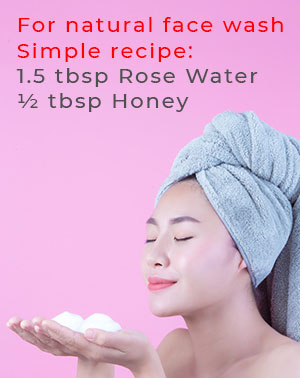
This is one of the smallest recipe ever. Just use honey with rose water. And you can apply on your neck, face, and other dry skin areas for 15 minutes. I assure you this face mask is better than any other chemical-based face wash.
- 1.5 tbsp Rose Water
- ½ tbsp Honey
Read more: Best shampoo for dry scalp
Natural face wash ingredients recipe 2
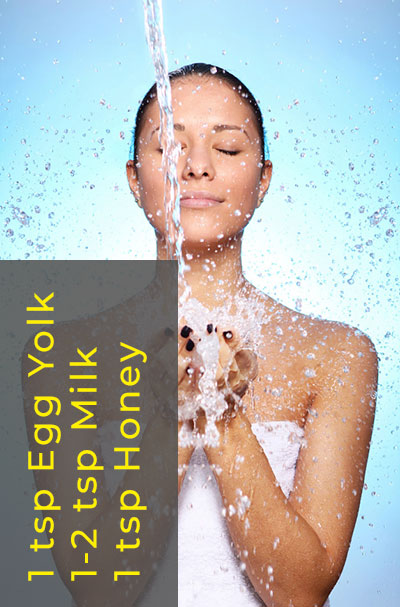
This is another method to get soft skin. That is also an instant face pack. Just add 1 tablespoon egg yolk with 1 tablespoon milk powder and 1 tablespoon honey. Apply this pack to your dry skin for 15 minutes. Afer than use cold water to wash.
- 1 tsp Egg Yolk
- 1-2 tsp Milk Powder
- 1 tsp Honey
Read more: Best conditioner for dry hair
Natural face wash ingredients recipe 3
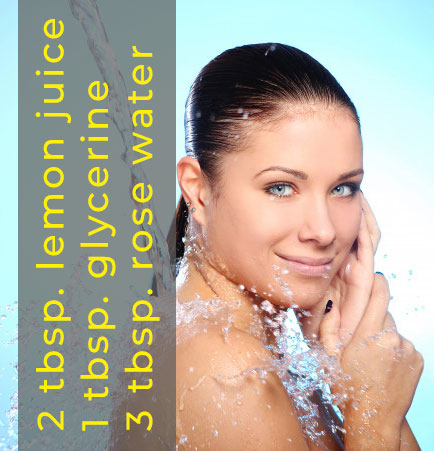
This is another natural method for dry skin. That is also a very simple method to use. Mix 1 tbsp. glycerine and 2 tbsp. lemon juice with 3 tbsp. rose water. After than, use a cotton or soft cloths to apply your soft skin.
- 2 tbsp. lemon juice
- 1 tbsp. glycerine
- 3 tbsp. rose water
The Dermatological Science of Dry Skin
To formulate an effective homemade face wash for dry skin, we must first look at the biological structure of the skin barrier, specifically the stratum corneum (the outermost layer of the epidermis).
                        [THE DRY SKIN BARRIER DEGRADATION]

     Healthy Barrier:   Intact Lipid Matrix ──► Moisture Locked In ──► Smooth Plump Dermis

     Dry/Damaged:       Stripped Lipids    ──► High TEWL Rate     ──► Flaking & Inflammation
The stratum corneum is often described using a “bricks-and-mortar” model. The “bricks” are the corneocytes (dead skin cells packed with keratin), and the “mortar” is an extracellular matrix composed of ceramides, cholesterol, and free fatty acids. This lipid mortar plays a vital role in blocking external irritants and preventing Transepidermal Water Loss (TEWL).
We can model the rate of moisture loss through the skin barrier ($J$) using Fick’s First Law of Diffusion:
$$J = -D \cdot \frac{\Delta C}{\Delta x}$$
Where:
- $J$ represents the flux of water vapor leaving the skin (TEWL rate).
- $D$ is the diffusion coefficient of water through the lipid matrix of the stratum corneum.
- $\Delta C$ is the moisture concentration gradient between the deep hydration layers of the dermis and the dry outside air.
- $\Delta x$ represents the structural thickness and integrity of the lipid barrier.
In a healthy skin profile, the lipid matrix keeps the diffusion coefficient ($D$) exceptionally low, locking moisture deep inside the tissue. However, when you use commercial face washes containing harsh surfactants like Sodium Lauryl Sulfate (SLS), these detergents dissolve the essential lipid “mortar” ($x$). As the barrier thins, the TEWL rate ($J$) spikes, leading to the cellular dehydration, flaking, tightness, and micro-cracking characteristic of chronic dry skin.
Topical vs. Penetrating Cleansing: The Natural Philosophy
When considering how to make a homemade face wash for dry skin, your formulation strategy must shift from stripping the skin to balancing it.
+-------------------------------------------------------------------+
|                  THE NATURAL CLEANSING ARCHITECTURE               |
|                                                                   |
|  [Humectants]     Honey / Glycerin / Aloe Vera.                   |
|                   Draws moisture from the air deep into the skin. |
|                                                                   |
|  [Emollients]     Jojoba / Sweet Almond / Argan Oils.             |
|                   Fills microscopic cracks to smooth out flakes.  |
+-------------------------------------------------------------------+
The Power of Natural Humectants
Humectants are water-loving molecules that feature unique chemical structures capable of forming strong hydrogen bonds with water molecules. When applied to the skin in a homemade face wash, humectants pull moisture upward from the damp dermis and draw water vapor directly from the surrounding air, anchoring it securely onto the skin surface to combat dryness.
The Role of Plant-Based Emollients
Emollients are rich, lipid-based compounds that step in to reinforce your skin’s natural lipid matrix. They slide into the microscopic gaps between peeling, flaky skin cells, sealing the surface to form a flexible, protective blanket that instantly minimizes TEWL ($J$) and softens the skin’s texture.
1. The Raw Ingredients Blueprint for Dry Skin
Before mixing your first batch, you need to gather high-quality, cold-pressed, and unrefined raw ingredients. Each component should be selected for its specific chemical profile and dermatological benefits.
               [NATURAL OILS MATRIX]                      [BOTANICAL LIQUIDS]
       ┌─────────────────────────────────┐        ┌─────────────────────────────────┐
       │ Jojoba Oil: Mimics human sebum  │        │ Rosewater: Calms redness and     │
       │ balance perfectly.              │        │ balances dermal pH levels.      │
       └────────────────┬────────────────┘        └────────────────┬────────────────┘
                        │                                          │
                        ▼                                          ▼
       ┌─────────────────────────────────┐        ┌─────────────────────────────────┐
       │ Sweet Almond Oil: Packed with   │        │ Liquid Castile: Gentle, plant-   │
       │ nourishing Vitamin E.           │        │ based surfactant base.          │
       └─────────────────────────────────┘        └─────────────────────────────────┘
Cold-Pressed Jojoba Oil
While called an oil, jojoba is actually a liquid wax ester. Its molecular structure matches human sebum more closely than any other oil found in nature. It penetrates the skin easily, tricks the skin into balancing its own oil production, and reinforces the lipid matrix without blocking pores or causing blemishes.
Raw, Unpasteurized Honey
Raw honey is a legendary natural ingredient for dry skin. It is a powerful natural humectant loaded with enzymes, antioxidants, and alpha-hydroxy acids (AHAs). Honey gently breaks down dead, flaky skin cells while pumping moisture deep into the tissue. It also possesses natural antibacterial qualities, helping to keep skin clean and clear.
Pure Liquid Castile Soap
If you prefer a face wash that produces a gentle lather, use liquid Castile soap as your base. Forged from pure olive oil, hemp, or coconut fats, genuine Castile soap contains zero synthetic detergents or artificial foaming agents. It provides a soft, non-stripping cleanse that washes away surface impurities while respecting the skin’s natural moisture barrier.
Organic Rosewater (Hydrosol)
Rather than thinning your homemade face wash with plain tap water, use pure rosewater. This botanical hydrosol is an excellent natural toner that helps soothe redness, calm irritation, and keep your formulation at a skin-friendly, slightly acidic pH level (between $4.5$ and $5.5$).
2. Step-by-Step Recipes: Crafting Your Custom Cleanser
Here are three distinct, field-tested recipes developed by the skincare team at itemguides.com. Choose the method that best matches your preferred texture and daily routine.
Recipe 1: The Creamy Honey & Castile Daily Hydrator (Gentle Lather)
- Best For: Everyday cleansing, washing away light makeup, and morning routines.
- The Component Breakdown:
- $1/3$ Cup Pure Liquid Castile Soap (Unscented or Baby-Mild)
- $1/3$ Cup Raw, Unpasteurized Honey
- $2$ Tablespoons Cold-Pressed Jojoba Oil
- $1$ Tablespoon Organic Rosewater
- $5$ Drops Pure Lavender Essential Oil (Optional for aromatherapy)
[1. Whisk Honey & Oil] ──► [2. Fold in Castile Soap] ──► [3. Thin with Rosewater] ──► [4. Bottle in Glass]
- Step-by-Step Mixing Protocol:
- Pour the raw honey and jojoba oil into a clean glass bowl. Whisk them together firmly for 1 to 2 minutes until the oil incorporates cleanly into the honey, forming a smooth, uniform base.
- Pour in the liquid Castile soap slowly, folding it into the mixture with a spatula to avoid creating excess foam or air bubbles.
- Add the rosewater and optional lavender essential oil, stirring gently until the mixture reaches a smooth, pourable consistency.
- Transfer your finished face wash into a UV-protected amber glass pump bottle. Store it on your bathroom counter and use it within 2 to 3 weeks. Shake the bottle gently before each use to blend the ingredients.
Recipe 2: The Ancient Oil Cleansing Method (Zero Lather Deep Clean)
- Best For: Melting away heavy makeup, clearing water-resistant sunscreens, and intense evening hydration.
- The Component Breakdown:
- $2$ Tablespoons Pure Castor Oil (The deep-cleansing agent)
- $6$ Tablespoons Sweet Almond Oil or Avocado Oil (The nourishing emollients)
- $3$ Drops Vitamin E Oil (A natural antioxidant shield)
[1. Blend Carrier Oils] ──► [2. Massage Onto Dry Skin] ──► [3. Apply Warm Steam Cloth] ──► [4. Wipe Clean]
- Step-by-Step Application Protocol:
- Pour the castor oil, sweet almond oil, and Vitamin E oil straight into a small glass bottle. Shake vigorously until the oils are fully blended.
- Pour a quarter-sized pool of the oil blend into dry palms and rub your hands together to warm the mixture. Massage the oil gently onto your dry face using upward circular motions for 60 seconds, allowing it to dissolve surface oils, dirt, and makeup.
- Soak a clean washcloth in warm water, wring out the excess, and drape it over your face for 30 seconds. The warm steam will open your pores, allowing the oils to lift out trapped impurities.
- Use the damp cloth to gently wipe the oil away, leaving behind a beautifully clean, soft, and deep-conditioned complexion.
Recipe 3: The Soothing Oatmeal & Aloe Fresh Cleanser (Calming Paste)
- Best For: Ultra-sensitive, inflamed dry skin dealing with redness or dry climate flaking.
- The Component Breakdown:
- $4$ Tablespoons Colloidal Oatmeal (Ultra-fine oat flour)
- $2$ Tablespoons Pure Aloe Vera Gel (Directly from the plant leaf or pure bottled gel)
- $1$ Tablespoon Pure Vegetable Glycerin
- $1$ Teaspoon Rosehip Seed Oil
[1. Combine Dry Oats & Aloe] ──► [2. Add Humectant Glycerin] ──► [3. Whisk in Rosehip Oil] ──► [4. Use Fresh]
- Step-by-Step Formulation Protocol:
- Add the colloidal oatmeal and aloe vera gel to a small mixing bowl, stirring until they form a smooth, soft paste.
- Stir in the vegetable glycerin, a powerful humectant that works to lock moisture deep into the skin tissue.
- Whisk in the rosehip seed oil, which delivers a rich dose of essential fatty acids and Vitamin A to help smooth out flaky areas.
- Because this recipe uses fresh aloe vera and contains no synthetic preservatives, make it in small batches, store it in your refrigerator, and use it up completely within 5 to 7 days.
Technical Performance Matrix: Natural Cleansing Methods
To help you choose the ideal cleansing method for your skin’s daily needs, the team at itemguides.com has put together this clear technical matrix:
| Homemade Cleanser Type | Lather Profile | Primary Active Benefit | Expected Shelf Life | Best Environmental Match |
| Honey & Castile Blend | Soft, Creamy Lather | Cleanses thoroughly while binding moisture to the skin. | 2 – 3 Weeks (Room Temp) | Humid or transitional climates (Miami, California coast). |
| Pure Oil Cleansing Method | Zero Lather (Oil Base) | Dissolves makeup and dirt without stripping the lipid matrix. | 3 – 4 Months (Keep dry) | Cold, dry winter regions (New York, Washington state). |
| Oatmeal & Aloe Paste | No Lather (Creamy Paste) | Soothes redness, calms irritation, and gently softens flakes. | 5 – 7 Days (Refrigerated) | Hot, dry climates and sun-exposed areas (Texas, Southern California). |
Essential Preservative and Storage Protocol
When transitioning from store-bought products to homemade skincare, you must account for a key difference in formulation: the lack of chemical preservatives.
Commercial face washes use synthetic preservatives like parabens or phenoxyethanol to block mold and bacteria growth, allowing bottles to sit on warm store shelves for years. Your homemade creations are pure and natural, meaning they require mindful storage to stay fresh and safe for your skin.
       [THE WATER REACTION PATHWAY]

   Anhydrous Formulations (Oils Only) ──► No Water Present ──► Long Shelf Life (Months)

   Hydrous Formulations (With Water)  ──► Bacteria Hazard  ──► Short Shelf Life (Weeks)
- The Water Rule (Hydrous vs. Anhydrous): If a recipe contains only oils (like the Oil Cleansing Method), it is anhydrous. Because there is no water present, bacteria cannot easily grow, giving the blend a stable shelf life of 3 to 4 months. However, the moment a recipe introduces water, rosewater, or fresh aloe vera, it becomes hydrous. Water creates a perfect breeding ground for mold and bacteria, meaning these blends must be used quickly or stored in the fridge.
- Use Clean, Sterile Glass Containers: Always wash your storage bottles thoroughly with hot water and soap, then sanitize them with a quick rinse of rubbing alcohol before filling them with your fresh face wash.
- Keep Water Out of the Bottle: When using your homemade face wash in the shower or at the sink, avoid unscrewing the lid or letting tap water splash inside the container, as introducing outside water can spoil the batch prematurely.
- Incorporate Natural Antioxidants: Adding a few drops of Vitamin E oil or Rosemary Extract won’t stop mold growth, but these natural antioxidants play a key role in preventing your plant oils from oxidizing and turning rancid over time.
Crucial Daily Application and Safety Checklist
- Always Perform a Patch Test First: Just because an ingredient is natural does not mean your skin cannot be sensitive to it. Apply a dime-sized drop of your new homemade face wash onto your inner forearm and wait 24 hours. If you notice any redness, itching, or irritation, do not use the mixture on your face.
- Wash with Lukewarm Water Only: Avoid washing your face with hot water. Hot water acts like a solvent on your skin’s natural oils, dissolving the lipid barrier and drying out your skin regardless of how hydrating your cleanser is. Stick to lukewarm or cool water instead.
- Massage with Light Pressure: Dry skin is naturally delicate and prone to inflammation. Avoid scrubbing your face roughly with coarse washcloths or abrasive pads; instead, massage your homemade cleanser over your skin using the pads of your fingers and light, gentle pressure.
- Lock in Moisture Immediately: Follow the 3-Minute Rule of dermatological care. Within three minutes of rinsing your face—while your skin is still damp and your pores are open—apply a rich moisturizer or facial oil to lock in that hydration and seal your skin barrier.
Frequently Asked Questions (FAQ)
1. Can I use baking soda or lemon juice in my homemade face wash?
No, you should never use raw baking soda or lemon juice on your face. Healthy skin maintains a slightly acidic natural pH balance between $4.5$ and $5.5$. Baking soda is highly alkaline ($\text{pH} \approx 9$), while lemon juice is extremely acidic ($\text{pH} \approx 2$). Applying these ingredients directly to your skin can disrupt your natural pH levels, damage the lipid barrier, and cause chemical burns, severe drying, and hyperpigmentation.
2. Why does my honey and Castile face wash separate into layers over time?
Because your homemade face wash uses no synthetic chemical emulsifiers, ingredients with different densities—like heavy honey and lighter plant oils—will naturally separate into layers after sitting on the counter. This is completely normal and does not mean your batch has spoiled. Simply give the bottle a gentle shake before each use to blend the ingredients back together.
3. How often should someone with dry skin wash their face?
If you have very dry or sensitive skin, you generally only need to use a face wash once a day, during your evening routine. This clears away the day’s accumulation of dirt, pollution, sunscreen, and makeup. In the morning, skip the cleanser and simply rinse your face with lukewarm water to preserve the natural oils your skin generated overnight.
4. Can I use regular coconut oil as a face wash for dry skin?
While coconut oil is highly moisturizing for the body, it is a highly comedogenic ingredient, meaning its molecular structure tends to clog facial pores. If you use it regularly on your face, it can trap dead skin cells and sebum inside your pores, leading to stubborn breakouts and blackheads. Stick to non-comedogenic oils like jojoba, sweet almond, or sunflower oil instead.
Conclusion: Embracing Balanced Botanical Cleansing
Learning how to make a high-quality homemade face wash for dry skin is an empowering step that allows you to ditch harsh chemical additives and nurture your skin with clean, nutrient-dense ingredients. By understanding the science of the lipid barrier, avoiding stripping surfactants, and blending rich natural humectants like raw honey with protective emollients like jojoba oil, you can easily restore your skin’s natural moisture balance.
Take your time selecting pure ingredients, prepare your mixtures in clean, sterile containers, and remember to always lock in that fresh hydration with a quality moisturizer. Your skin will reward you with a soft, radiant, and beautifully hydrated complexion all year round!