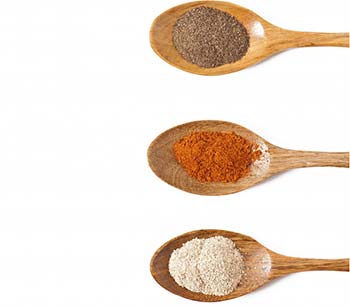
Wooden is one of the popular spoon because of their versatility. The best wooden spoons for cooking are very helpful. You will get hygienic food if you are using wooden spoons. Metal or Aluminum spoons are heat transferable, so it is difficult while cooking. But if you use wooden spoons, you can cook without conducting heat.
What is a wooden spoon?
Is Wooden Spoon safe?
Do wooden spoons harbor bacteria?
Why do wooden spoons turn black?
How long do wooden spoons last?
FAQ
Walk into any kitchen across the United States—from a high-end apartment overlooking the skyline of Manhattan or San Francisco to a sprawling ranch home in Texas, a seaside kitchen in Miami, or a rustic cabin in Washington state—and you are guaranteed to find one tool tucked into every ceramic utensil crock: a wooden spoon.
At first glance, the wooden spoon appears deceptively simple. It is a tool whose basic silhouette hasn’t fundamentally changed since the Paleolithic era. In an age dominated by high-tech kitchen gadgets, digital immersion circulators, smart ovens, and space-age silicone utensils, this humble piece of carved timber remains an absolute, non-negotiable favorite for professional chefs and passionate home cooks alike.
But why has this ancient tool retained its crown in the modern culinary world? Is it merely a sentimental relic of traditional cooking, or does it possess unique material properties that make it scientifically superior to metal and plastic? What is a wooden spoon used for, and why is it irreplaceable?
Welcome to itemguides.com, your premier digital authority for exhaustive, field-tested product breakdowns, consumer material science, and culinary equipment blueprints across the United States. In this definitive guide, we will explore the engineering, physics, and everyday utility of the kitchen’s most reliable tool, proving why it deserves to be the workhorse of your culinary arsenal.
The Molecular Physics of Cooking Utensils
To understand the true utility of a wooden spoon, we must look past its rustic charm and analyze its performance through the lens of thermodynamics and material science. When cooking food on a hot stove, your utensil acts as a direct bridge between your hand, the cooking vessel, and the food matrix. The material you choose changes how heat, mechanical force, and chemical reactions interact within the pan.
                        [THE THERMAL CONDUCTION PATHWAY]

     Metal Utensil:    Stove Heat ──► Rapid Electron Flow ──► Blistered Palms / Burned Hands

     Wooden Utensil:   Stove Heat ──► Vibrational Dampening ──► Neutral Temperature Handle
Thermal Conductivity and Heat Dissipation
One of the greatest hazards in high-heat cooking is thermal transfer. Metals are highly efficient conductors of heat due to their free-flowing electron structures. If you leave a stainless steel spoon resting inside a simmering tomato sauce or a boiling soup, the utensil rapidly reaches thermal equilibrium with the liquid. Picking it up can result in painful burns.
Wood, by contrast, is a natural thermal insulator. Its cellular structure is composed of a porous arrangement of cellulose fibers locked within a dense lignin matrix. We can model the rate of one-dimensional heat transfer ($Q$) traveling up the handle of a kitchen utensil using Fourier’s Law of Thermal Conduction:
$$Q = -k \cdot A \cdot \frac{dT}{dx}$$
Where:
- $k$ represents the material’s specific thermal conductivity constant ($\text{W/m}\cdot\text{K}$).
- $A$ is the cross-sectional surface area of the utensil’s handle.
- $\frac{dT}{dx}$ is the temperature gradient along the length of the handle.
To see how wood stack up against other common kitchen materials, consider the stark differences in their thermal conductivity constants ($k$):
| Utensil Material Type | Thermal Conductivity Constant (k at 25∘C in W/m⋅K) | Thermal Behavior in Hot Cooking Liquids |
| Stainless Steel | $16.0$ to $24.0$ | High conduction; heats up rapidly and risks burning palms. |
| Aluminum | $205.0$ | Extreme conduction; dangerously hot to touch almost instantly. |
| Silicone | $0.20$ to $0.35$ | Low conduction; stays cool but can soften under intense heat. |
| Hardwood (Maple/Beech) | $0.12$ to $0.15$ | Absolute minimum conduction; handle stays cool indefinitely. |
Because the thermal conductivity of hardwood ($k \approx 0.13$) is a fraction of that of stainless steel, a wooden spoon can sit inside a bubbling pot for hours without carrying heat up the handle. This allows you to stir safely at any moment without needing a potholder.
The Core Utilities: What is a Wooden Spoon Used For?
While its thermal properties are impressive, the day-to-day value of a wooden spoon lies in its versatile performance across a wide range of cooking techniques.
+-------------------------------------------------------------------+
|                     THE FIVE CORE TIMBER UTILITIES                |
|                                                                   |
|  [Pan Deglazing]     Scrapes up flavorful fond without scratching.  |
|  [Emulsion Control]  Smoothly binds delicate sauces and gravies.  |
|  [High-Mass Stirring] Rigid frame easily moves heavy doughs and rices.|
|  [Candy Tempering]   Chemically inert; won't trigger crystallization.|
|  [Non-Reactive Acid] Safeguards delicate citrus and tomato dishes.  |
+-------------------------------------------------------------------+
1. Deglazing Pans and Protecting Cookware
The most vital culinary task for a wooden spoon is scraping the bottom of a pan, particularly during deglazing. When you sear meats or sauté aromatics, proteins and sugars leave behind a rich, caramelized layer of browned bits stuck to the bottom of the pan, known by chefs as the fond.
To release this flavor into a sauce, you pour in a liquid like wine, stock, or citrus juice and scrape the pan firmly.
- The Problem with Metal: Using a stainless steel spoon on premium cookware can be disastrous. It will scratch and peel away the chemical coatings of non-stick pans, releasing microplastics into your food, and it can score or pit the surface of high-end clad stainless steel or enameled cast iron cookware.
- The Wooden Solution: Wood possesses a unique balance of structural rigidity and material softness. It is firm enough to easily scrape up caramelized fond, yet soft enough that it will never scratch or compromise your pan’s protective finish.
2. Stirring Heavy, High-Viscosity Masses
When preparing thick culinary mixtures—such as artisanal sourdough bread dough, Italian risotto, thick oatmeal, or large pots of slow-cooked polenta—the structural strength of your stirring tool is tested.
- Why Plastics Fail: Thin plastic or cheap silicone utensils flex and bend under heavy loads. This flexing robs you of leverage, turning stirring into a frustrating workout and running the risk of snapping the handle.
- The Strength of Wood: A quality hardwood spoon carved from a solid piece of timber provides an unyielding lever arm. It will not warp, bow, or twist, giving you the direct mechanical leverage needed to cleanly fold and turn heavy, high-density mixtures with minimal effort.
3. Precision Temperature Sugar Work and Candy Making
Working with hot sugar solutions for candies, caramels, or architectural syrups requires precise temperature control.
- The Crystal Danger: When sugar is heated to the hard-crack or soft-ball stage, it is incredibly sensitive to sudden temperature shifts. Introducing a cold metal spoon can shock the boiling syrup, causing sugar molecules to prematurely drop out of solution and crystallize into a gritty, grainy mess.
- The Insulation Factor: Because a wooden spoon stays neutral and holds an even temperature, it can be introduced into hot candy mixtures without shocking the sugar molecules, ensuring your syrups cure to a glossy, perfectly smooth consistency.
The Chemical Inertness Matrix: Protecting Delicate Flavors
Beyond physical mechanics, cooking involves complex chemical reactions. Many of the ingredients we cook with are chemically reactive, meaning the material of your spoon can alter the taste of your food.
                 [THE CHEMICAL INTERACTION PATHWAY]

    Reactive Acidic Foods ──► Metal Spoon Contact ──► Metallic Taste Transfer

    Reactive Acidic Foods ──► Wooden Spoon Contact ──► Flawless Flavor Purity
When cooking acidic foods—like slow-simmered Italian marinara sauces, lemon-curd reductions, or vinegar-heavy pickling brines—metal spoons can create a subtle galvanic reaction. The high acidity can leach tiny amounts of metallic ions from the spoon directly into your dish, leaving behind a faint, metallic aftertaste.
Wood is entirely chemically inert. It does not react with acids, bases, or salts. No matter how acidic or long-simmered your dish may be, a wooden spoon safeguards the pure, natural flavor profile of your ingredients.
Advanced Ergonomics: The Anatomy of a Perfect Spoon
Not all wooden spoons are created equal. The shape and design of a spoon change how effectively it navigates the interior terrain of your cookware.
       [Traditional Round Head]              [Modern Corner-Scraper Head]

              ┌──────┐                             ┌──────┐
             /        \                           /       │
            │          │                         │        │ ◄── Flat Edge
             \        /                           \       │     For Max Scrape
              └──  ──┘                             └──  ──┘
The Standard Oval Spoon
The traditional oval wooden spoon features a gently rounded bowl and smooth exterior contours. This shape is optimized for fluid dynamics, allowing liquids to flow cleanly around the head as you stir. It is the perfect tool for aerating soups, mixing batters, and keeping light sauces in continuous motion.
The Flat-Edged Spoon (The “Spurtle” or Wooden Turner)
The flat-edged wooden spoon features a straight, chiseled front edge rather than a rounded tip. This design is highly practical for deglazing flat-bottomed pans, skillets, and Dutch ovens. The flat edge matches the plane of your pan perfectly, maximizing the surface contact area and allowing you to scrape up twice as much caramelized fond with every single stroke.
The Corner-Pocket Scraper
This hybrid design features a rounded bowl on one side and a sharp, angled point on the other. It is engineered to clear the tight bottom corners of deep stockpots, where heavy ingredients like minced garlic, onions, or rice grains often settle and burn.
The Ultimate Kitchen Utensil Showdown
To illustrate how wood compares to other common utensil materials, the product testing team at itemguides.com put them head-to-head across five critical categories:
| Performance Metric | Hardwood Spoons (Maple/Beech) | Stainless Steel Spoons | Food-Grade Silicone | Cheap Nylon/Plastic |
| Cookware Protection | Exceptional (Zero scratches) | Poor (Scrapes and ruins pans) | Exceptional (Soft contact) | Fair (Can score soft plastics) |
| High-Heat Resistance | Excellent (Will not melt) | Absolute (High melting point) | Good (Safe up to 450°F) | Dangerous (Prone to melting) |
| Structural Rigidity | High (Stays stiff under loads) | Maximum (Completely unyielding) | Low (Flexes and bends) | Variable (Snaps under pressure) |
| Chemical Longevity | High (Chemically inert) | Reactive (Leaches with acids) | High (Chemically inert) | Low (Degrades over time) |
| Average Lifespan | Decades (With basic oiling) | Indefinite (Practically permanent) | 2 to 5 Years (Splits or tears) | 1 to 2 Years (Warps and stains) |
How to Clean and Maintain a Wooden Spoon for Decades
A common piece of misinformation circulating on internet forums is that wooden spoons are unsanitary and harbor harmful bacteria. In reality, hardwoods like maple, beech, and walnut possess natural antimicrobial properties. Capillary action draws moisture and bacteria deep into the interior wood fibers, trapping the microbes and cutting off their oxygen supply, which causes them to die naturally within hours.
However, to keep your wooden tools from drying out, cracking, or splitting over the long haul, you must follow a proper maintenance routine.
[1. Immediate Hand Wash] ──► [2. Absolute Air Dry] ──► [3. Monthly Mineral Oiling]
1. The Golden Rule: Stay Out of the Dishwasher
Never put a wooden spoon through a dishwasher cycle. The prolonged exposure to boiling water, aggressive detergents, and high-heat drying cycles will strip away the wood’s natural oils, weaken its cellular structure, and cause the spoon to warp, splinter, and split in half within a few washes.
2. The Proper Cleaning Protocol
Wash your wooden spoons by hand immediately after use using warm water and mild dish soap. Use a soft sponge to remove any food residue. Once clean, wipe the spoon dry with a towel and let it air-dry completely in a well-ventilated area before putting it away in a drawer or cabinet.
3. Deodorizing and Stain Removal
If your spoon absorbs strong food odors or stains from intense ingredients like garlic, chili oil, or turmeric, use this quick, natural cleaning method:
- The Process: Sprinkle a generous layer of coarse baking soda over the wet spoon bowl and pour over a splash of fresh lemon juice. The mixture will fizz as it activates. Scrub the paste into the wood fibers using a clean cloth, let it sit for five minutes, then rinse it clean with warm water. The lemon juice neutralizes strong food odors, while the baking soda acts as a gentle scrub to lift away stubborn stains.
4. Reconditioning with Food-Grade Mineral Oil
Every 4 to 6 weeks, take a moment to condition your wooden spoons to keep them split-resistant and smooth.
- The Oil Choice: Use food-grade pure mineral oil or specialized beeswax chopping board conditioners. Never use vegetable oils like olive, canola, or sunflower oil; these fats break down over time, turning sticky and creating an unpleasant rancid odor on your utensils.
- The Application: Pour a few drops of mineral oil onto a clean cloth and buff it thoroughly across the entire dry surface of the spoon. Let the oil soak deep into the grain overnight, then wipe away any excess the next morning. This routine seals the wood cells, preventing water from warping the utensil and keeping your spoon looking beautiful for years to come.
What is a wooden spoon?
These types of spoons are made of pure wood or bamboo. There are lots of spoons for cooking on the market like steel spoons, aluminum spoons, plastic spoons, melamine spoons, wooden spoons. Among them, wooden spoons are providing you with natural feeling while cooking. And it has lots of benefits.
Is Wooden Spoon safe?
Yes wooden is is safe that research suggested. Even wooden spoons are safe for the nonstick fry pan, nonstick pots. Some of the nonstick pan contains a harmful chemical that causes cancer. The wooden spoons can cook gently which is very healthy. Most of the users use it in extremely hot dishes. The wooden spoons are very helpful in extremely hot areas for mixing ingredients for cooking.
Popular links –
Best polygel nail kit
Best shampoo for dry scalp
Do wooden spoons harbor bacteria?
No, this absolutely wrong that wooden spoons harbor bacteria. This is naturally more antibacterial than any other steel, plastic or aluminum-based spoons. Even plastic-based spoons are more harmful while cooking. Wooden spoons are more hygienic than any other spoons.
Why do wooden spoons turn black?
This is a very common case that wooden spoons turn black. We should dry wooden spoons to prevent moisture, immediately with a dry tissue or towel. Otherwise, it has developed black spots and gradually your good-looking wooden spoons turn black.
How long do wooden spoons last?
Wooden spoons are very strong. So you can easily use it for around 5 years. Within a few years, it will turn black. After then you can use a new one.
Frequently Asked Questions (FAQ)
1. Can a wooden spoon catch fire if left resting on a hot pan?
While wood is a combustible material, a quality hardwood spoon will not catch fire simply from resting against the rim of a hot skillet or saucepan. It takes direct exposure to an open flame—such as a gas burner—to ignite it. The worst that typically happens from resting a spoon on a hot pan rim is a minor scorch mark, which can be easily sanded away with fine-grit sandpaper.
2. Why do some recipes recommend placing a wooden spoon across a pot of boiling water?
This classic kitchen hack helps prevent pots of starchy liquids—like pasta water or potatoes—from boiling over. When starchy water boils, it forms a layer of stable, trapped surface bubbles. When these bubbles hit the dry, oil-conditioned wooden handle across the top of the pot, the wood breaks their surface tension while its cool temperature pops them instantly, breaking the foam layer and keeping the water inside the pot.
3. Which type of wood is best for kitchen spoons?
The best woods for kitchen spoons are tight-grained hardwoods such as Hard Maple, Beech, Cherry, and Walnut. These woods are incredibly dense, durable, and naturally resistant to absorbing liquids. You should avoid open-grained hardwoods like Oak, which have large open pores that can trap food particles, as well as softwoods like Pine or Cedar, which can leach sappy resins into your food and splinter easily.
4. How do I know when it’s finally time to throw away a wooden spoon?
With basic care, a quality wooden spoon can easily last for decades. However, you should replace a spoon if it develops a deep, structural crack or split that reaches down into the bowl. These deep cracks are impossible to clean thoroughly and can harbor food residue and bacteria, making the spoon unsafe to use.
Conclusion: Embodying Culinary Endurance
The wooden spoon is far more than a simple throwback to traditional cooking; it is a masterfully engineered kitchen essential. Combining low thermal conductivity, strong physical leverage, scratch-safe contact, and a chemically inert composition, it performs tasks that modern metal and plastic utensils simply cannot match.
Whether you’re deglazing a rich pan fond, folding a heavy bread dough, or slow-simmering a classic pasta sauce, the wooden spoon remains the ultimate tool for the job. Take care of your wooden utensils with regular hand washing and occasional mineral oiling, and they will reward you with reliable, lifetime service on your culinary journey.