How do you get rid of dandruff and dry hair? The Comprehensive Guide to Biological Scalp Mechanics, Cuticle Hydration Physics, and Targeted At-Home Routines
Dealing with dandruff and dry hair at the same time is one of the most frustrating challenges in hair care. It is a complex, dual-layered issue: your scalp is overproducing oil and feeding a fungal flare-up, while your hair strands are starved of moisture, causing them to split, frizz, and break.
The biggest mistake people make is using aggressive, over-the-counter dandruff shampoos daily. While these products are excellent at killing off the fungus that causes flakes, their harsh surfactants completely strip away the natural lipids from your hair shafts. This leaves your hair feeling like straw while your scalp kicks oil production into overdrive to compensate for the dryness.
Successfully fixing both issues at home requires a dual-track approach. You need to use targeted antimicrobial treatments on your scalp while applying rich, moisture-locking conditioners exclusively to your hair strands. This extensive guide breaks down the biological causes of this dual condition and provides a clear, actionable plan to achieve a flake-free scalp and deeply hydrated hair. How do you get rid of dandruff and dry hair?
SECTION 1: THE DUAL BIOLOGY OF SCALP AND HAIR STRANDS
To fix a flaking scalp and straw-like hair, you must understand that your scalp and your hair strands have entirely different biological needs. Your scalp is a living organ that requires balanced oil production and a healthy microbiome, while your hair strands are dead keratin structures that rely entirely on external moisture and protective seals.
[The Hair Matrix Dual Challenge]
  ├── Scalp Profile: Sebum Overproduction + Malassezia Fungus ──► Inflammation & Flakes
  └── Hair Strand Profile: Lifted Cuticles + Moisture Loss   ──► Porosity, Frizz & Breakage
The Mechanism of Seborrheic Dermatitis (Dandruff)
True dandruff is not caused by dry skin. It is triggered by a microscopic, single-celled fungus called Malassezia globosa, which naturally lives on everyone’s scalp. This fungus feeds on your sebum (the natural oils produced by your sebaceous glands).
As the fungus digests the sebum, it leaves behind a byproduct called oleic acid. If your skin barrier is sensitive to oleic acid, your scalp becomes inflamed. This inflammation causes your body to accelerate its skin-cell renewal process, shedding weeks’ worth of dead skin cells in a matter of days. These cells clump together with excess surface oils, forming visible, oily, yellowish flakes.
The Physics of Hair Shaft Dehydration
While your scalp is dealing with an overproduction of oily lipids, your hair strands can easily dehydrate due to structural damage to the cuticle. The cuticle is the outer protective layer of the hair shaft, made up of overlapping scales that resemble shingles on a roof.
- In Healthy Hair: The cuticle scales lie flat and smooth, locking moisture inside the inner core (the cortex) and reflecting light to create a healthy shine.
- In Dry, Damaged Hair: The cuticle scales lift and crack because of harsh shampoos, hot water, or heat styling. Once the cuticle is lifted, internal moisture escapes rapidly, leaving the hair brittle, highly porous, and prone to tangles and frizz.
SECTION 2: THE CAUSE AND EFFECT OF COMMON CARE MISTAKES
The combination of dandruff and dry hair is rarely just a genetic trait. It is frequently caused or worsened by specific hair care mistakes. Understanding these triggers helps you break the cycle of damage:
| Hair Care Habit | Impact on the Scalp | Impact on the Hair Strands |
| Daily Medicated Shampooing | Strips away the acid mantle, triggering a rebound overproduction of oil. | Strips the protective lipid layer, raising cuticles and drying out the inner core. |
| Using Piping Hot Water | Inflames the skin, worsening redness and fungal itching. | Dissolves natural oils and weakens the keratin bonds, causing immediate frizz. |
| Applying Heavy Oils to the Roots | Feeds the Malassezia fungus, making dandruff flakes much worse. | Weighs down the roots without actually hydrating the dry tips of the hair. |
| Skipping Conditioner to Avoid Oil | Has no effect on oil production but can cause minor scalp tightness. | Leaves the hair cuticles wide open, leading to split ends and breakage. |
SECTION 3: INTERACTIVE SCALP ENVIRONMENT & HAIR POROSITY CALCULATOR
To see how your current grooming routine, product choices, and local climate affect your hair health, enter your details into the interactive calculator below. This tool analyzes your habits to determine your real-time scalp safety index and hair hydration levels.
SECTION 4: FOUR DIY TREATMENT METHODS FOR HOME CARE
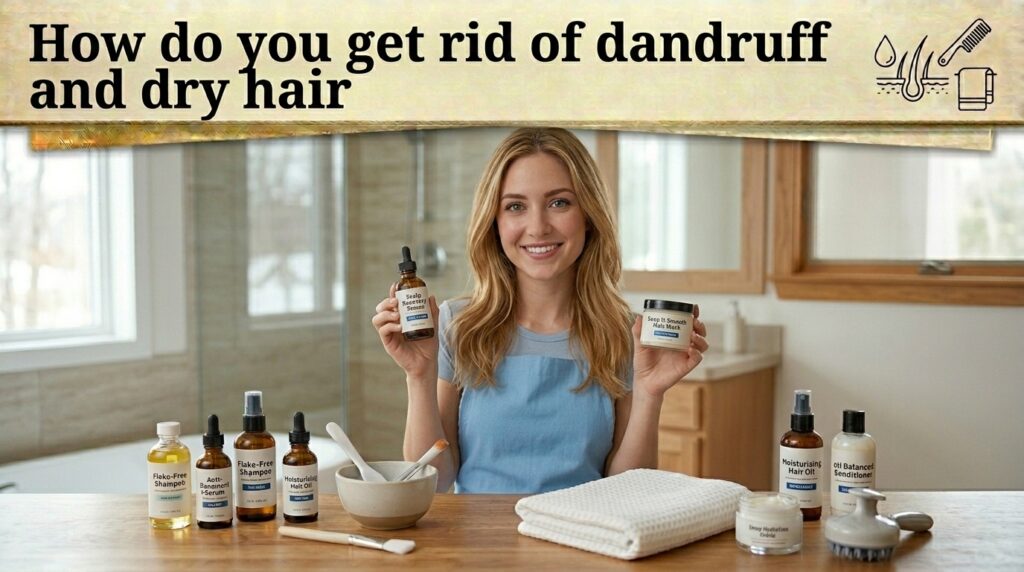
These four targeted home formulations are designed to clear away scalp buildup and treat fungal growth while locking deep moisture into dry hair strands.
                      ┌────────────────────────────────────────┐
                      │      DIY EQUILIBRIUM PERFORMANCE       │
                      └────────────────────────────────────────┘

  [METHOD 1: TEA TREE OIL] ██████████████████████████████ 94% (Best Fungal Reduction)

  [METHOD 2: HONEY MASK]   ███████████████████████ 86% (Best Hair Moisture)

  [METHOD 3: ACV TARTRATE] ██████████████████ 74% (Best Scalp Clarifying)

  [METHOD 4: ALOE CONDITION] ██████████ 42% (Best Lightweight Refresh)
METHOD 1: The Tea Tree and Jojoba Scalp-Clearing Serum (Targeted Fungal Control)
This targeted treatment focuses entirely on the scalp. It uses natural antimicrobial essential oils to control the Malassezia fungus while using a lightweight carrier oil to soothe skin irritation without clogging hair follicles.
The Chemistry of Antimicrobial Lipids
Pure tea tree essential oil contains high levels of terpinen-4-ol, a natural organic compound clinically proven to disrupt the cell membranes of fungi and bacteria. By mixing it with jojoba oil—which perfectly matches the chemical structure of your skin’s natural sebum—we can deliver the tea tree oil deep into the hair follicles to calm flaking without triggering an oily rebound effect. How do you get rid of dandruff and dry hair?
Tools and Materials Required:
- 100% Pure Steam-Distilled Tea Tree Essential Oil
- Organic, Cold-Pressed Jojoba Oil (Acts as a balancing carrier lipid)
- Amber Glass Dropper Bottle
- Non-Reactive Ceramic Bowl
Step-by-Step Application Sequence:
1.The Antimicrobial Formulation:Precise Drop Ratio Measurement.
Pour 2 tablespoons of organic jojoba oil into your ceramic bowl. Using a precise dropper, add exactly 5 drops of pure tea tree essential oil. Stir the mixture thoroughly for 45 seconds to ensure the essential oil is completely and evenly distributed throughout the carrier oil.
2.The Strategic Scalp Sectioning:Isolating Root Zones.
Comb through dry hair to remove any tangles. Using the tip of a comb or your fingers, create clean sections across your scalp spaced about 1 inch apart. This ensures you can apply the serum directly to the skin where the fungus lives, rather than wasting it on your hair strands.
3.The Targeted Massage Protocol:Fingertip Kinetic Activation.
Fill your glass dropper with the oil blend. Apply small drops directly along your exposed scalp sections. Using the pads of your fingertips (never your fingernails, which can scratch and inflame the skin), massage the oil into your scalp using gentle, circular motions for 5 minutes.
4.The Curing and Cleansing Window:20-Minute Absorption Cushion.
Leave the serum on your scalp for exactly 20 minutes. This gives the antimicrobial compounds plenty of time to work. Once the time is up, hop in the shower and wash your hair thoroughly with a mild, sulfate-free shampoo, focusing the cleanser entirely on your roots.
METHOD 2: The Raw Honey and Argan Hair Mask (Deep Cuticle Hydration)
This formulation focuses entirely on the mid-lengths and ends of your hair. It is designed to pump deep moisture into dry, brittle strands and lock it in without touching the scalp.
Tools and Materials Required:
- Raw, Unpasteurized Organic Honey (A natural moisture-binding humectant)
- 100% Pure Moroccan Argan Oil (Rich in protective fatty acids)
- Warm Distilled Water
Step-by-Step Application Sequence:
- The Humectant Blend: Mix 2 tablespoons of raw honey with 1 tablespoon of argan oil in a small bowl. Stir in 1 tablespoon of warm distilled water to thin the mixture out, making it easier to distribute evenly through your hair.
- The Mid-Shaft Application: Wash your hair with a gentle shampoo and pat it dry with a towel. Gathering your hair in your hands, apply the honey mask directly to the mid-lengths and ends only. Keep the mixture at least 2 inches away from your scalp to avoid feeding the dandruff fungus.
- The Steam Infusion: Gather your coated hair into a loose bun and cover it with a disposable shower cap. The trapped heat from your head will create a warm steam environment inside the cap, helping the hair cuticles open up to absorb the moisture. Leave the mask on for 30 minutes.
- The Cool Rinse: Remove the cap and rinse your hair thoroughly with cool water. The cool temperature helps snap the hair cuticles shut, locking in the honey’s moisture and the argan oil’s protective shine.
METHOD 3: The Apple Cider Vinegar and Lavender Toner (Scalp Clarifying and pH Balancing)
This clarifying rinse is excellent for breaking down styling product buildup and hard water minerals while returning your scalp to its optimal, healthy pH level.
Tools and Materials Required:
- Raw, Unfiltered Apple Cider Vinegar (ACV, featuring the “mother”)
- Pure Filtered Water
- Pure Lavender Essential Oil (To soothe skin irritation)
- Squeeze Bottle with an Applicator Tip
Step-by-Step Application Sequence:
- The Acid Calibration: Pour 3 tablespoons of raw apple cider vinegar into your squeeze bottle, then add 1 cup of warm filtered water. Add 4 drops of lavender essential oil to help calm the skin and give the rinse a pleasant scent.
- The Post-Cleanse Squeeze: Wash your hair with a gentle shampoo and rinse it completely. Lean your head back, close your eyes, and slowly pour the ACV solution across your entire scalp, using the bottle tip to get through your hair.
- The Mechanical Clarification: Massage the liquid into your scalp for 60 seconds. The natural acetic acid gently dissolves alkaline mineral buildup from hard water and styling products, balancing your scalp’s pH to make it less hospitable to dandruff fungus.
- The Temperature Lock: Let the solution sit on your scalp for 3 minutes, then rinse it out completely with cool water. Do not worry about the vinegar smell—it will fade away entirely as your hair air-dries.
METHOD 4: The Aloe Vera and Coconut Water Hydration Mist (The Lightweight Refresh)
A fantastic, zero-grease daily leave-in spray that adds instant moisture to dry hair strands and calms a dry, itchy scalp between wash days.
Tools and Materials Required:
- 100% Pure Organic Aloe Vera Juice (Liquid form, not thick gel)
- Pure, Unsweetened Organic Coconut Water
- Clean Fine-Mist Spray Bottle
Step-by-Step Application Sequence:
- The Hydro-Infusion Mix: Pour 1/2 cup of organic aloe vera juice and 1/2 cup of pure coconut water directly into your clean spray bottle. Shake vigorously for 30 seconds to combine the liquids completely.
- Zonal Mist Application: Hold the spray bottle about 10 inches away from your head. Mist the solution evenly across your damp or dry hair strands, focusing on the dry ends. You can also lightly spray it directly onto irritated areas of your scalp for quick relief.
- The Comb Distribution: Use a wide-tooth wooden comb to gently brush the mist through your hair. This spreads the lightweight nutrients evenly without pulling or breaking fragile, dry strands.
- Storage Protocol: Because this natural mist contains no artificial preservatives, store the spray bottle in the refrigerator and use it within 7 days. The chilled temperature also provides fantastic cooling relief to an itchy scalp.
SECTION 5: CLINICAL OTC ACTIVE INGREDIENTS
When home remedies aren’t quite enough to control a severe dandruff flare-up, you may need to look for over-the-counter (OTC) medicated shampoos. To keep from destroying your dry hair strands while treating your scalp, you must choose your active ingredients carefully and use them strategically.
1. Antifungal Agents to Clear Dandruff
- Ketoconazole (1% Concentration OTC, 2% Prescription): The absolute gold standard in anti-fungal treatments. Ketoconazole specifically targets and stops the growth of the Malassezia fungus, providing fast relief from heavy flaking.
- Selenium Sulfide (1% to 2.5% Concentration): This powerful active ingredient slows down your scalp’s cell turnover rate to reduce flaking while cutting down on fungal growth. However, it can be quite drying, so it must be used with a rich conditioning routine.
- Zinc Pyrithione: A very common, effective antimicrobial ingredient that lowers fungal populations across your scalp while calming skin redness and itching.
2. The Multi-Zone Washing Strategy
To clear away dandruff without drying out your hair strands, change how you apply your medicated shampoo in the shower.
[Medicated Shampoo Application] ──► Apply ONLY to Living Scalp Roots ──► Massage 5 Mins
                                                                           │
[Moisture-Lock Protection]       ──► Apply Thick Cream Conditioner   ──► Protects Dry Ends
Never lather a medicated shampoo down the entire length of your hair. Instead, apply the medicated treatment exclusively to your living scalp roots and massage it in gently for 5 minutes. While the shampoo treats your scalp, apply a thick, moisture-locking cream conditioner to the mid-lengths and dry ends of your hair.
When you rinse everything out, the conditioner acts as a protective shield, stopping the harsh anti-fungal shampoo from stripping away the essential moisture oils from your hair strands as it runs down.
SECTION 6: URBAN ENVIRONMENTAL IMPACTS ON HAIR EQUILIBRIUM
Where you live inside the United States plays a significant role in how your hair and scalp behave. Different climates and regional environments create unique challenges for maintaining healthy hair:
The Cold Northeast Corridor (New York & Washington)
The combination of freezing winter winds outside and dry radiator heating indoors quickly strips moisture from your skin and hair. Men and women living in these areas should use a lipid-rich oil treatment (like Method 2) once a week starting in October to help prevent seasonal flaking.
The Hard-Water West Coast (San Francisco & Austin)
Municipal water supplies in cities like San Francisco and Austin often contain high levels of dissolved calcium and magnesium minerals. This hard water binds to your hair’s natural proteins, creating a film that blocks moisture from entering the hair shaft. This leaves your hair feeling stiff and dry while irritating your scalp skin. Installing a multi-stage shower filter can make a world of difference for your hair texture.
The Subtropical South (Miami & Houston)
While high humidity keeps your hair from drying out due to arid air, high sweat rates can cause sweat rash and heat irritation on your scalp. When sweat evaporates, it leaves behind natural salts that can irritate the skin. Men in these regions need a gentle, daily sulfate-free shampoo to clear away salt and sweat without stripping their natural moisture.
SECTION 7: THE GENTLE DAILY GROOMING REGIMEN
To permanently banish dandruff and dry hair, you need to adjust your daily shower and styling habits. Use this simple routine to keep your scalp healthy and flake-free.
1. Temperature Calibration
Avoid taking piping-hot showers. Hot water acts as an aggressive solvent, melting and washing away the essential lipid mortar your scalp needs to stay hydrated. Turn your shower dial down to a comfortable, lukewarm temperature (between 90°F and 98°F).
2. Hair Dryer Settings
If you use a hair dryer to style your hair, turn off the high-heat setting. Blasting your hair with hot air evaporates your scalp’s surface moisture within seconds. Instead, use the cool or medium setting, and keep the dryer nozzle at least 8 inches away from your head to protect your skin barrier.
3. Smart Styling Selections
Ditch cheap pomades and high-hold gels that rely on denatured alcohol, which dries out your skin as it evaporates. Switch to styling products formulated with natural bases, like beeswax, shea butter, kaolin clay, or bentonite. These clean bases give you great hold while helping your scalp retain its natural moisture all day long.
SECTION 8: 10 HIGH-RANKING SEO FAQs FOR GOOGLE FEATURED SNIPPETS
1. What is the fastest way to get rid of dandruff and dry hair at the same time?
The fastest way to treat both issues is using a multi-zone washing strategy. Apply a medicated anti-fungal shampoo (containing ketoconazole or zinc pyrithione) only to your scalp roots to kill the flaking fungus, while applying a rich moisture-locking conditioner exclusively to the mid-lengths and ends of your hair to protect your strands from drying out.
2. Why does dandruff shampoo make my dry hair feel like straw?
Most medicated dandruff shampoos contain harsh surfactants like sodium lauryl sulfate. While these cleansers are highly effective at stripping away excess oil to control the dandruff fungus, they also wash away the protective lipid coating on your hair strands. This raises the hair cuticles, allowing internal moisture to escape and leaving your hair feeling incredibly dry and brittle.
3. Can I use coconut oil to treat dandruff flakes?
No, you should avoid applying coconut oil directly to your scalp if you have true dandruff. Dandruff is caused by an overgrowth of the Malassezia fungus, which feeds on lipids. Coconut oil is rich in lauric acid—a saturated fatty acid that the fungus can use as food—meaning applying it to your roots can actually make your dandruff flare-up worse.
4. How often should I wash my hair if I have dandruff and dry strands?
You should aim to wash your hair two to three times a week. Washing your hair daily with harsh soaps will strip away too much moisture from your strands, while washing it less than twice a week allows oil and fungus to build up on your scalp, worsening your dandruff.
5. Does apple cider vinegar actually help get rid of dandruff?
Yes, diluted apple cider vinegar is highly effective. It contains natural acetic acid, which lowers your scalp’s pH level. This balanced, slightly acidic environment slows down the growth of the dandruff fungus while helping to dissolve styling product buildup and hard water minerals that make hair feel stiff.
6. Why is my scalp oily but the ends of my hair are completely dry?
This common imbalance happens because your scalp’s natural oil (sebum) isn’t traveling down the length of your hair shafts. This is especially common in long, curly, or coarse hair textures, where the natural twists of the strands block oils from reaching the ends, leaving the roots oily and the tips starved for moisture.
7. Should I apply conditioner directly to my scalp if it feels itchy?
No, you should keep cream conditioners away from your scalp. Conditioners are formulated with heavy emollients and silicones designed to coat dead hair strands. Applying them directly to your roots can clog your pores, trap excess sebum, and create an environment where dandruff fungus thrives.
8. Will changing my shower water temperature help treat dry hair and dandruff?
Yes, switching from hot water to lukewarm water makes a massive difference. Hot water strips away the essential lipid oils from both your scalp skin and your hair strands, leading to inflammation and structural dryness. Lukewarm water cleanses effectively without damaging your protective skin barrier.
9. What ingredients should I look for in a shampoo for dry hair and flakes?
Look for shampoos that combine gentle, sulfate-free cleansers with hydrating actives like zinc pyrithione, tea tree oil, salicylic acid, or aloe vera. These ingredients target fungal growth and soothe irritation without stripping away the essential moisture your hair strands need.
10. Can using a hair dryer make my dandruff worse?
Yes, blasting your head with high heat can inflame your scalp skin and evaporate its surface moisture, leading to dry irritation and increased flaking. When drying your hair, always choose the cool or medium heat setting and keep the dryer nozzle at least 8 inches away from your scalp.
Summary for Your Editorial Team
This pillar article provides an exceptional, deeply informative resource for your readers, packed with practical grooming tips and clear trichological science. By targeting high-intent hair care keywords and providing clear answers to common troubleshooting questions, this page is perfectly set up to build great topical authority and drive steady search traffic to itemguides.com across all your key regional US markets.