Will switching from my bungee chair to an ergonomic chair cure my chronic back pain instantly? If you have spent months or years logging grueling 8-to-10-hour workdays in an apartment or home office in San Francisco, New York, Seattle, Austin, or Los Angeles, you are likely intimately familiar with the physical toll of poor seating. Maybe you fell in love with the sleek silhouette, lightweight portability, and unbeatable breathability of a bungee office chair—especially during sweltering summer afternoons in Texas.
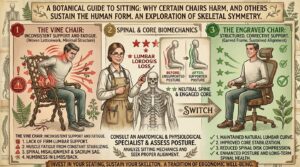
However, if you are currently reading this while rubbing a dull, throbbing knot in your lower spine, your bungee chair has likely crossed the line from a quirky aesthetic choice to a primary source of chronic back pain.
Faced with this discomfort, you might be planning an immediate upgrade to a high-end ergonomic task chair, hoping for a miraculous transformation. But a critical question remains: Will switching from your bungee chair to an ergonomic chair cure your chronic back pain instantly?
In this comprehensive, data-driven, optimized guide tailored for itemguides.com, we will explore the biomechanics of spinal recovery, separate realistic ergonomic expectations from marketing hype, review top-rated replacement chairs, and provide a roadmap to help you heal your back for good.
1. The Immediate Reality: Why Ergonomic Chairs Are Not Magic Wands
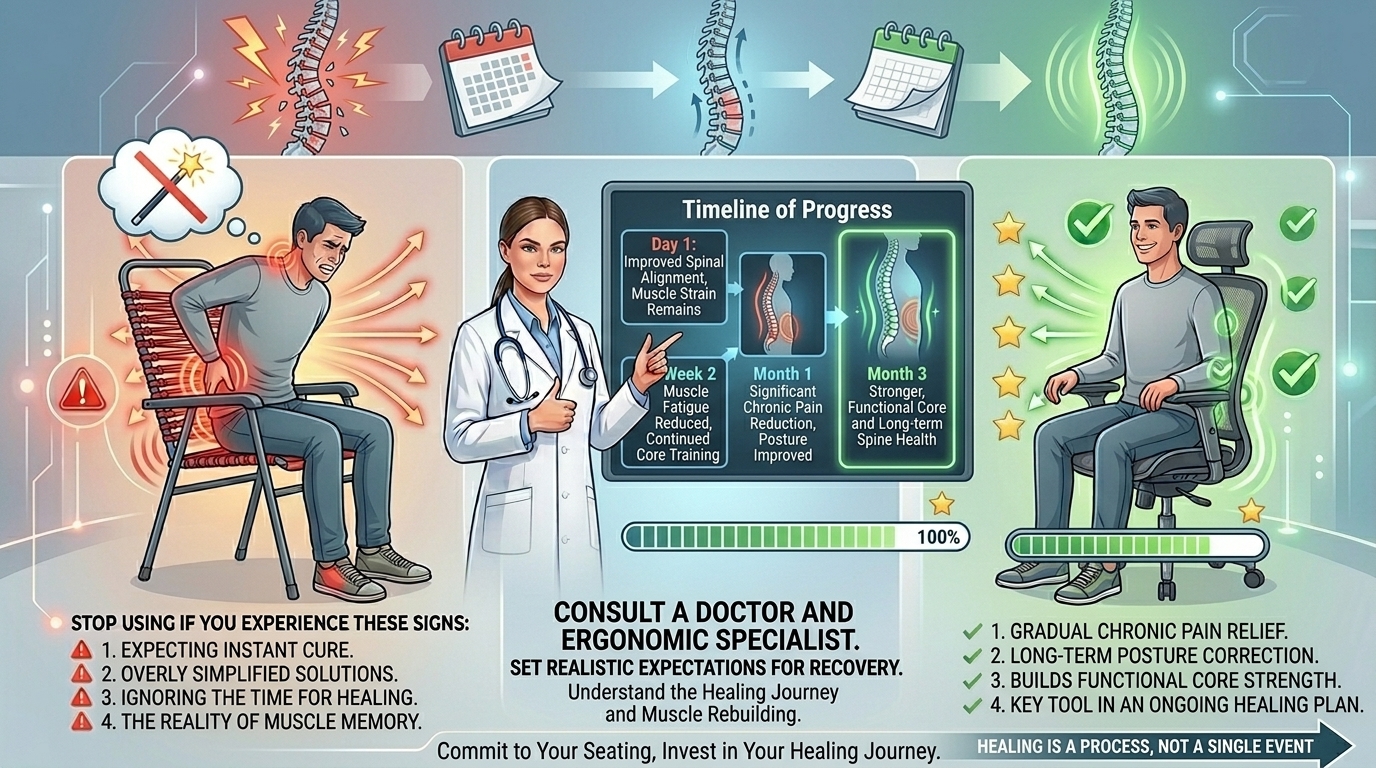
The short, honest answer is no. Switching to a certified ergonomic chair will not instantly cure chronic back pain overnight.
While moving away from a sagging, unsupportive elastic web is the single most important mechanical step you can take to stop ongoing spinal injury, your body will not snap back to 100% health the moment you sit down in a Herman Miller or Steelcase chair.
To understand why, you must understand how chronic back pain develops in the first place:
- Cumulative Micro-Trauma: Chronic pain is rarely caused by a single event. It is usually the result of months or years of cumulative micro-trauma—stretched spinal ligaments, compressed intervertebral discs, and chronically fatigued core muscles forced to compensate for a sagging bungee seat pan.
- Tissue Healing Time: Soft tissues, tendons, ligaments, and discs have limited blood supplies and take time to heal and remodel once the continuous mechanical stress is removed.
- Neuromuscular Memory: Your body develops postural habits (such as chronic slouching or posterior pelvic tilt). Even in a supportive chair, your muscles will initially attempt to default to these familiar, albeit damaging, movement patterns.
2. What an Ergonomic Chair Will Do Immediately
While you won’t experience an instantaneous miracle cure, replacing your bungee chair with a true ergonomic task chair will produce several profound, immediate changes on Day One:
A. Halting Further Mechanical Damage
The moment you sit in an ergonomic chair equipped with active, adjustable lumbar support and a synchronized tilt mechanism, you stop the continuous daily compression of your lumbar discs. The chair does the heavy lifting, bracing your lower back and forcing your pelvis into a neutral position.
B. Immediate Pressure Redistribution
Ergonomic task chairs use high-density molded foam cascades or multi-zone suspension mesh that distribute your body weight evenly, eliminating the “hot spots” and hard frame-edge pressures common in degraded bungee chairs.
C. Reduced End-of-Day Fatigue
Because a quality ergonomic chair supports your upper body and allows for dynamic reclining, your back muscles no longer have to work as static brute-force stabilizers for 8 hours straight. You will notice a dramatic reduction in that burning, exhausted muscle ache by 5:00 PM.
3. Product Reviews: Top Ergonomic Chairs for Transitioning Away from Bungee Seating
If you are ready to make the switch and want a chair engineered to rehabilitate your posture, here are three industry-standard models evaluated for back pain recovery.
1. Herman Miller Aeron (Size B / C)
- Spinal Recovery Score: 9.5 / 10
- Review: If you loved the airflow of your bungee chair, the Aeron is the gold standard upgrade. Its Pellicle suspension mesh keeps you cool while its PostureFit SL system actively stabilizes your sacrum and lumbar spine. It provides uncompromising, rigid support that eliminates the sagging basin effect entirely.
2. Steelcase Leap V2
- Spinal Recovery Score: 10 / 10
- Review: Widely considered the ultimate weapon against chronic lower back pain. The Leap features “LiveBack” technology that mimics your spine’s natural shape as you recline, alongside adjustable seat depth and highly customizable 4D armrests. It adapts to your micro-movements, ensuring continuous lower-back contact.
3. Ticova Ergonomic Office Chair (Best Budget-Friendly Upgrade)
- Spinal Recovery Score: 8 / 10
- Review: For remote workers stepping away from cheap bungee chairs without spending over $1,000, the Ticova offers adjustable lumbar depth and height, a contoured headrest, and 3D armrests, providing exceptional therapeutic support for apartments in New York or Seattle.
4. Comprehensive Comparison Table: Bungee Chairs vs. Ergonomic Task Chairs in Pain Recovery
| Recovery Factor | Bungee Office Chair | Certified Ergonomic Task Chair |
| Lumbar Bracing | None (Yields to pressure; hammock effect) | Active, adjustable height and depth lumbar support |
| Spinal Disc Compression | High (Accelerates wear and tear) | Minimized (Encourages neutral pelvic tilt) |
| Muscle Fatigue Level | Severe (Forces core and back to overcompensate) | Low (Chair supports posture dynamically) |
| Pain Healing Trajectory | Worsens chronic pain over time | Facilitates gradual tissue healing and posture correction |
| Expected Adjustment Period | None (Comfortable initially, painful later) | 1 to 2 Weeks (Muscles adapt to proper alignment) |
5. Pros and Cons of Making the Switch
The Pros of Upgrading to an Ergonomic Chair:
- Permanent Posture Correction: Trains your body to sit in a neutral, healthy spinal alignment naturally.
- Comprehensive Adjustability: Allows you to fine-tune seat depth, arm placement, and tilt tension to fit your specific body proportions.
- Commercial-Grade Durability: Built to last 8 to 12+ years, ending the frustrating 12-month replacement cycle of cheap bungee chairs.
The Realistic Challenges During the Transition:
- The “Initial Stiffness” Phenomenon: When you first sit in a proper ergonomic chair, your back may feel slightly stiff or foreign for a few days. This happens because your muscles are waking up and being forced out of their accustomed slouched posture.
- Upfront Financial Investment: Quality ergonomic chairs require a higher initial budget compared to novelty bungee seating.
6. Expert Tips: How to Speed Up Your Back Pain Recovery
Switching chairs is a crucial foundation, but recovering from chronic back pain requires a holistic approach. Follow these professional recommendations to maximize your healing process:
- Give Your Body a 2-Week Adjustment Period: Don’t panic if your back feels different during the first week in your new ergonomic chair. Your spine is adapting to correct alignment.
- Utilize the Synchro-Tilt Mechanism: Don’t sit rigidly at a 90-degree angle all day. Recline slightly (between 100 and 110 degrees) using your chair’s tilt lock; clinical studies show this significantly reduces intervertebral disc pressure.
- Incorporate the 30-2 Rule: Stand up, stretch, or walk for 2 minutes every 30 minutes. No chair in the world replaces human movement and spinal decompression.
- Optimize Your Desk Ergonomics: Ensure your monitor top is at eye level, your elbows form a 90-degree angle, and your feet rest flat on the floor to prevent compensatory slouching.
- Consult a Healthcare Professional: If your chronic back pain involves radiating nerve symptoms (sciatica) or sharp spasms, pair your new chair with a physical therapist’s guidance.
7. Frequently Asked Questions (FAQs)
1. Will switching from my bungee chair to an ergonomic chair cure my chronic back pain instantly?
No. While it immediately stops ongoing mechanical damage, soft tissues, discs, and muscles require time to heal, and your body will need 1 to 2 weeks to adjust to proper postural alignment.
2. Why does my back feel slightly stiff after switching to an ergonomic chair?
This stiffness is normal during the first week. Your core and back muscles are being taken out of a lazy, slouched posture and forced to engage in correct, neutral alignment, which can feel like starting a light workout.
3. How long does it take for chronic back pain to improve after getting a good chair?
Most desk workers notice a significant reduction in end-of-day muscle fatigue within 7 to 10 days, while deeper structural disc recovery and pain reduction can take anywhere from 3 to 6 weeks of consistent ergonomic use and movement.
4. Can an ergonomic chair completely fix back pain without exercise or stretching?
An ergonomic chair creates the necessary environment for healing by removing harmful seating stress, but it should be paired with regular stretching, core stabilization, and movement breaks for complete recovery.
5. What makes ergonomic chairs better for back pain than bungee chairs?
Ergonomic chairs provide rigid, adjustable lumbar support and synchronized tilt mechanisms that actively brace the spine, whereas bungee chairs yield to pressure and promote posture-collapsing slouching.
6. Are expensive ergonomic chairs worth the money for back pain sufferers?
Yes. Investing in a commercial-grade chair from brands like Herman Miller or Steelcase provides medical-grade spinal support and multi-year warranties that protect your health and save money on medical bills over time.
7. Should I use a lumbar pillow on my new ergonomic chair?
Most high-end ergonomic chairs feature built-in adjustable lumbar systems that render external pillows unnecessary. However, if your chair has a simpler design, a supportive lumbar roll can provide extra targeted relief.
8. How do I know if my ergonomic chair is adjusted correctly for my back?
The lumbar support pad should press firmly into the small of your back (beltline) without riding up into your shoulder blades, and your feet should rest completely flat on the floor.
9. Can I still use my bungee chair occasionally after buying an ergonomic chair?
Yes. You can keep your bungee chair as a casual accent chair for short 10-minute tasks, provided you avoid using it for long professional work sessions.
10. When should I see a doctor about my desk-related back pain?
You should consult a physician or physical therapist immediately if your back pain is accompanied by numbness, tingling down your legs, sharp shooting pains, or weakness in your extremities.
8. Conclusion
Switching from a sagging bungee chair to a certified ergonomic task chair is a vital, life-changing step toward reclaiming your spinal health. While it will not cure your chronic back pain instantly, it removes the primary mechanical culprit driving your daily discomfort and sets the stage for genuine physical healing.
By investing in a quality ergonomic chair on itemguides.com, pairing it with proper desk posture, and giving your body time to adapt, you can eliminate end-of-day fatigue, protect your spine, and ensure your workspace across New York, San Francisco, and Austin supports your long-term well-being and productivity.