Homeowners in Texas, New York, California, Washington, and dense urban markets like San Francisco are increasingly adopting “green” cleaning products and organic garden solutions. Driven by a desire to avoid synthetic chemical residues, many turn to high-strength horticultural vinegar (20% to 30% acetic acid) expecting a heavy-duty, natural cleaning hack.
The short answer is no—you should almost never use high-strength horticultural vinegar indoors unless it is diluted down to standard household levels (5% or less).
While it carries an “organic” label, concentrated acetic acid turns into a volatile, corrosive indoor health hazard when brought into enclosed spaces. Inhaling its concentrated fumes can cause severe respiratory burns, while spills can permanently etch natural stone, corrode plumbing fixtures, ruin hardwood floor finishes, and harm household pets.
This comprehensive guide covers the chemical risks, health hazards, structural material damage risks, safe dilution ratios, and safer indoor alternatives for property owners looking for non-toxic indoor cleaning solutions.
High-Strength Vinegar vs. Household Vinegar: A Critical Difference
Many people assume 20% horticultural vinegar is simply a slightly stronger version of kitchen white distilled vinegar. However, because pH operates on a logarithmic scale, the actual increase in chemical potency is dramatic.
| Feature / Metric | Standard Household Vinegar | Horticultural / Industrial Vinegar |
| Acetic Acid Concentration | 4% to 5% | 20% to 30% |
| pH Level | ~2.4 to 3.0 | ~2.0 to 1.5 |
| Primary Intended Use | Cooking, light surface cleaning, pickling | Agricultural weed killer, outdoor desiccation |
| EPA Hazard Classification | Non-hazardous household food product | Category 1 Corrosive Acid |
| Mandatory Container Signal Word | None / CAUTION | DANGER |
| Indoor Fume Safety | Safe in standard, ventilated rooms | High risk of airway irritation and respiratory burns |
| Personal Protective Equipment (PPE) | None required | Eye goggles, respirator, heavy nitrile gloves |
4 Major Hazards of Using 20%–30% Vinegar Indoors
Bringing a container of concentrated acetic acid indoors exposes your household to four major categories of damage and physical risk:
+-------------------------------------------------------------------------------------------------------+
|                                  INDOOR HORTICULTURAL VINEGAR RISKS                                   |
+-------------------------------------------------------------------------------------------------------+
|                                                                                                       |
|  1. RESPIRATORY & OCULAR TOXICITY                                                                    |
|  --> Concentrated vapors cause chemical burns to lung tissue, eye mucous membranes, and nasal passages.|
|                                                                                                       |
|  2. STRUCTURAL SURFACE DESTRUCTION                                                                   |
|  --> Dissolves calcium in natural stone (marble, granite, limestone); strips protective floor seals.  |
|                                                                                                       |
|  3. METALLIC & PLUMBING CORROSION                                                                    |
|  --> Rapidly oxidizes brass, copper, chrome, stainless steel, and rubber washer seals.                |
|                                                                                                       |
|  4. PET & CHILD VULNERABILITY                                                                        |
|  --> Low-lying fumes cause severe nasal distress, eye inflammation, and skin burns on paws.           |
|                                                                                                       |
+-------------------------------------------------------------------------------------------------------+
1. Severe Indoor Air Quality & Respiratory Risks
Inside an enclosed room—especially bathrooms, basements, or kitchens without industrial-grade exhaust hoods—20% acetic acid off-gasses rapidly.
- Inhalation Burns: Inhaling high-concentration acetic acid vapors inflames the mucous membranes of the nose, throat, and lungs. Symptoms include intense coughing, chest tightness, sore throat, and shortness of breath.
- Asthma and Allergy Triggers: Vapors can trigger acute bronchospasms in individuals with asthma, reactive airway disease, or seasonal respiratory sensitivities.
- Eye Irritation: Vapor buildup in unventilated rooms causes severe eye watering, redness, and chemical conjunctivitis, even without direct liquid splash contact.
2. Destruction of Household Surfaces & Finishes
Concentrated acetic acid acts as an aggressive chemical solvent and etchant on common residential materials:
- Natural Stone (Marble, Granite, Travertine): Acid dissolves the calcium carbonate inside natural stone. A single spill or wipe of 20% vinegar leaves permanent, dull white etching spots that require professional re-polishing to fix.
- Hardwood Floors & Polyurethane: Concentrated acid strips protective polyurethane, varnish, and wax coatings off wood flooring, causing discoloration and leaving raw wood vulnerable to moisture rot.
- Grout Lines: While diluted vinegar is often used as a tile cleaner, 20% acetic acid eats away the cementitious binders inside tile grout, causing it to crumble over time.
3. Metallic Oxidation and Plumbing Corrosion
High-strength vinegar reacts aggressively with metals found in household plumbing and fixtures:
- Fixtures and Faucets: Spraying concentrated vinegar on chrome, nickel, or brass faucets eats away thin electroplated coatings, causing black pitting and rust.
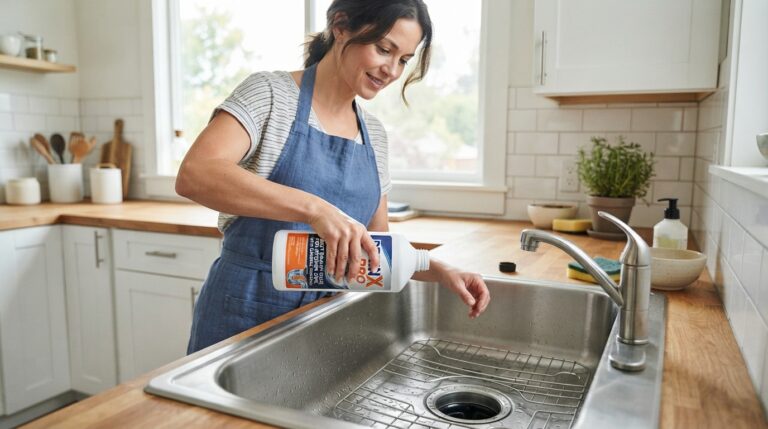
- Plumbing Pipes: Pouring 20% vinegar down drains to clear clogs or mold harms rubber washers, neoprene O-rings, and internal P-trap seals, leading to hidden under-sink leaks.
4. Severe Risks to Pets and Children
Pets (particularly dogs and cats) experience the world through sensitive olfactory systems. Fumes from 20% acetic acid hang close to the floor, causing immediate distress, nasal inflammation, and watering eyes for small animals.
Additionally, stepping on surfaces treated with concentrated vinegar before it dries can cause painful chemical burns on pet paw pads.
Regional Environmental Factors: Indoor Usage Across Key States
+-----------------------------------------------------------------------------------+
|                           REGIONAL INDOOR CLIMATE FACTORS                         |
+-----------------------------------------------------------------------------------+
|  [ REGION ]                   [ CLIMATE / INDOOR IMPACT ]                         |
|  -------------------------------------------------------------------------------  |
|  California & San Francisco   Tight building envelopes trap volatile fumes.       |
|  Washington & Pacific NW      High indoor humidity slows fume dispersal.          |
|  Texas                        HVAC recirculation spreads vapors through vents.    |
|  New York                     Winter heating keeps windows sealed shut.           |
+-----------------------------------------------------------------------------------+
California & San Francisco Bay Area
- Factor: Modern homes in the Bay Area and urban California often feature tightly sealed, energy-efficient building envelopes.
- Impact: Trapped acetic acid vapors cannot disperse easily, lingering in living spaces for hours and worsening indoor air quality.
Washington & Pacific Northwest
- Factor: Persistent dampness and high humidity lead homeowners to look for mold and mildew treatments in basements and bathrooms.
- Impact: Applying 20% vinegar in damp, low-airflow basements creates a severe inhalation hazard. High humidity slows down the evaporation of the acid, keeping surface concentrations dangerously high.
Texas & The Sunbelt
- Factor: Heavy year-round air conditioning usage keeps windows closed, relying on central HVAC systems for circulation.
- Impact: Using concentrated vinegar indoors allows central HVAC systems to draw acid fumes into return vents, distributing irritated air into every bedroom and living space in the home.
New York & The Northeast
- Factor: Sealed apartment buildings and radiator-heated brownstones during long winter months.
- Impact: Lack of fresh airflow during cold seasons means indoor chemical uses stay trapped in living quarters, increasing exposure risks for occupants.
Safe Indoor Dilution Ratios (If You Already Own 20% Vinegar)
If you purchased a gallon of 20% or 30% horticultural vinegar for outdoor weed control and want to use the remaining product safely indoors, you must dilute it down to a standard 5% cleaning strength outdoors first.
SAFETY MANDATE: Always perform dilutions outdoors or in an open garage. Always wear eye protection and chemical-resistant gloves. Always add acid into water—never pour water directly into concentrated acid.
+-----------------------------------------------------------------------------------+
|                            SAFE INDOOR DILUTION FORMULA                           |
+-----------------------------------------------------------------------------------+
|  TARGET: Convert 20% Horticultural Vinegar to 5% Household Cleaning Strength      |
|                                                                                   |
|  * 1 Part 20% Horticultural Vinegar                                               |
|  * 3 Parts Clean Water                                                            |
|                                                                                   |
|  EXAMPLE MIX:                                                                     |
|  Combine 1 Cup (8 oz) 20% Vinegar + 3 Cups (24 oz) Water                          |
|  = 1 Quart (32 oz) of Safe 5% Cleaning Vinegar                                    |
+-----------------------------------------------------------------------------------+
Safer Non-Toxic Alternatives for Common Indoor Problems
Instead of risking high-strength vinegar indoors, use these effective, non-corrosive cleaning alternatives:
+-----------------------------------------------------------------------------------+
|                          SAFE INDOOR ALTERNATIVE MATRIX                           |
+-----------------------------------------------------------------------------------+
|  [ INDOOR TASK ]            [ INSTEAD OF 20% VINEGAR ]   [ USE THIS INSTEAD ]     |
|  -------------------------------------------------------------------------------  |
|  Bathroom Mold & Mildew     20% Horticultural Vinegar    3% Hydrogen Peroxide     |
|  Drain Odors & Buildup      20% Horticultural Vinegar    Baking Soda + Warm Water |
|  Hard Water Glass Stains    20% Horticultural Vinegar    5% Cleaning Vinegar      |
|  Tile & Grout Cleaning      20% Horticultural Vinegar    Oxygen Bleach Powder     |
+-----------------------------------------------------------------------------------+
- For Bathroom Mold and Mildew: Use standard 3% household hydrogen peroxide. It destroys mold spores on non-porous surfaces without off-gassing toxic acidic fumes or damaging surrounding tile grout.
- For Hard Water Deposits on Glass: Use standard 5% household white vinegar combined with a few drops of natural dish soap.
- For Drain Cleaning: Flush drains with baking soda followed by boiling water, or use an enzymatic drain cleaner. Enzymatic cleaners dissolve hair and organic grease without eroding rubber plumbing gaskets.
- For Grout and Tile Restoration: Use sodium percarbonate (Oxygen Bleach powder) mixed with warm water. It brightens grout lines via oxygenation without dissolving cementitious binders.
Frequently Asked Questions (FAQ)
1. Can I use 20% vinegar to kill indoor houseplant pests or soil gnats?
No. 20% vinegar will burn houseplant leaves, destroy delicate root systems, and drastically lower the potting soil pH, killing the plant. Use neem oil or insecticidal soap instead.
2. Is 20% horticultural vinegar effective for indoor mold remediation?
While acetic acid kills mold, 20% concentrations release dangerous vapors in enclosed indoor spaces. Standard 3% hydrogen peroxide or 5% household vinegar are far safer options for non-porous surfaces.
3. What should I do if I accidentally spilled 20% vinegar on my hardwood floor?
Wipe up the spill immediately using wet towels. Next, sprinkle baking soda over the area to neutralize any remaining acid, then rinse thoroughly with clean water and dry completely.
4. Will boiling 20% vinegar eliminate household odors?
Never boil high-strength vinegar. Heating 20% acetic acid rapidly vaporizes the chemical, releasing dense, highly irritating fumes that can cause severe respiratory distress and eye burns.
5. Can I use horticultural vinegar in my washing machine to sanitize clothes?
No. High-concentration acetic acid damages the rubber seals, hoses, and internal gaskets inside modern washing machines, leading to costly leaks. Stick to 5% household vinegar for laundry uses.
6. Why is 20% vinegar sold in home improvement stores if it is dangerous indoors?
Horticultural vinegar is manufactured and labeled specifically as an outdoor agricultural herbicide. It is intended for driveway weed control and garden desiccation in well-ventilated outdoor environments.
7. What personal protective equipment (PPE) is needed if I dilute 20% vinegar outdoors?
Wear ANSI-approved splash goggles, heavy nitrile gloves, long sleeves, and pants. Work outdoors upwind from the container to keep vapors away from your face.
8. Will 20% vinegar clear clogged sink drains?
It is not recommended. While the acid can dissolve some organic buildup, its high acidity can corrode metal drain pipes, rubber washers, and under-sink fittings, increasing the risk of plumbing leaks.
9. How can I tell if indoor fumes from vinegar are affecting my health?
Early symptoms include burning sensations in the nose or throat, watering eyes, coughing, dizziness, or chest tightness. If you notice these signs, step outside into fresh air immediately and ventilate the room.
10. Can 20% vinegar be safely stored indoors in a closet or basement?
Store it in its original container with the cap tightly sealed in a cool, well-ventilated garage or shed. Avoid storing it inside living spaces or near metal tools, as small escaping vapors can cause nearby metal items to rust over time.
Conclusion
High-strength horticultural vinegar (20% to 30% acetic acid) is a powerful, effective tool for outdoor weed management across Texas, New York, California, Washington, and San Francisco.
However, it has no place inside a residential home in its concentrated form.
The risks of severe lung irritation, permanent ocular damage, ruined stone countertops, destroyed hardwood finishes, and plumbing corrosion far outweigh any cleaning benefits. Keep your high-strength horticultural vinegar in the outdoor shed for driveway weeds, and stick to 5% white vinegar, 3% hydrogen peroxide, or baking soda for safe, effective indoor cleaning.