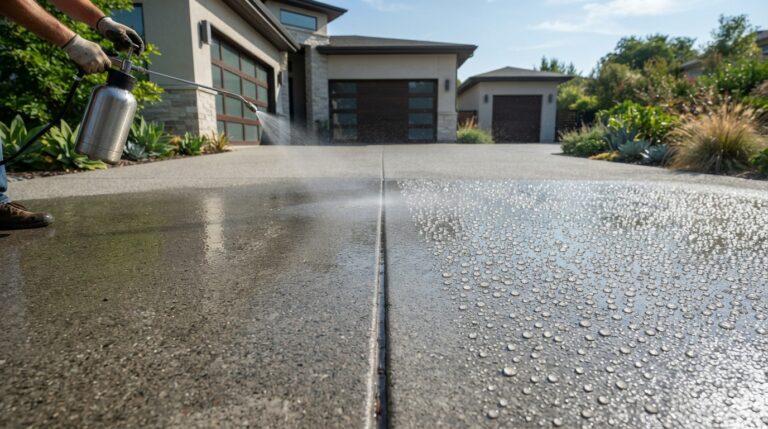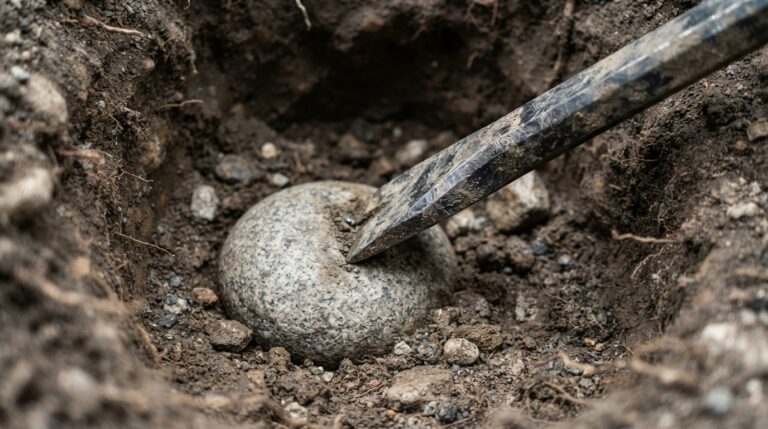
If you are finding the natural weed killer, you have to check some weed killer reviews. After then, you will get the best natural weed killer. But you can make a natural weedkiller by yourself that is not harmful to dogs and cats. You can some homemade weed killer recipes.
Some homemade pet friendly weed killer recipe
Weed Killer with vinegar: To make this natural weed killer, you need three available ingredients.
- One Gallon White Vinegar
- One cup salt
- One Tablespoon Dish Soap
Read more: Natural weed killer
Borax weed killer recipe: This is another easy and simple natural way to kill weeds. You can make it by yourself.
- One cup borax
- Two gallons water
- One cup salt
Weed Killer with Rubbing Alcohol: This is another easiest way to make a natural weed killer which is dog and cat safe.
- Two tablespoon rubbing alcohol
- One quart water
If you’re a pet owner, you know how curious dogs and cats can be. They sniff, roll around, chew grass, and explore every corner of your yard. Unfortunately, many commercial weed killers contain chemicals that can be harmful to pets if inhaled, ingested, or absorbed through their paws.
The good news is that you don’t have to choose between a beautiful weed-free lawn and your pet’s safety. A homemade pet friendly weed killer recipe can help eliminate unwanted weeds while reducing your family’s exposure to harsh chemicals.
This comprehensive guide covers everything you need to know, including:
- Why homemade weed killers are safer
- The best DIY pet-friendly weed killer recipes
- Ingredients to avoid
- How to apply them correctly
- Common mistakes
- Lawn care tips
- Frequently asked questions
Let’s get started.
Why Choose a Homemade Pet Friendly Weed Killer?
Many store-bought herbicides contain synthetic chemicals designed to kill weeds quickly. While effective, some products may remain on plants and soil for hours or days.
Homemade alternatives offer several benefits:
- Safer around pets when used properly
- Affordable
- Easy to make
- Uses common household ingredients
- Environmentally friendly
- No complicated mixing
- Ideal for sidewalks, patios, and driveways
Natural doesn’t always mean completely harmless, but homemade recipes generally reduce unnecessary chemical exposure.
Are Homemade Weed Killers Completely Safe?
No weed killer is 100% harmless.
Even natural ingredients can cause irritation if your dog or cat consumes large amounts.
For example:
- Vinegar may irritate eyes and skin.
- Salt can damage soil if overused.
- Essential oils may be toxic to some pets.
- Soap may upset stomachs if ingested.
The safest approach is:
- Apply weed killer.
- Allow the treated area to dry completely.
- Keep pets away until the surface is dry.
Ingredients Commonly Used in Homemade Weed Killers
Most DIY recipes use one or more of these ingredients.
White Vinegar
White vinegar contains acetic acid that dries weed leaves.
Benefits:
- Inexpensive
- Readily available
- Fast acting
- Effective on young weeds
Salt
Salt dehydrates weeds by drawing moisture from plant cells.
Advantages:
- Works well on cracks
- Long-lasting
Disadvantages:
- Can damage nearby plants
- May reduce soil fertility
Use sparingly.
Dish Soap
Dish soap acts as a surfactant.
It helps vinegar stick to weed leaves instead of rolling off.
Only a few drops are needed.
Boiling Water
One of the safest weed killers available.
Simply pour boiling water directly on weeds.
Best for:
- Sidewalk cracks
- Gravel paths
- Patio weeds
No chemicals required.
Lemon Juice
Citric acid helps burn weed foliage.
Often combined with vinegar for improved effectiveness.
Homemade Pet Friendly Weed Killer Recipe #1 (Most Popular)
Ingredients
- 1 gallon white vinegar
- 1 tablespoon natural dish soap
- 1 cup table salt (optional)
Directions
- Pour vinegar into a bucket.
- Add dish soap.
- Stir gently.
- Add salt if desired.
- Mix until dissolved.
- Transfer to a spray bottle.
How to Use
Spray directly on weed leaves during a sunny day.
Avoid spraying nearby flowers or vegetables.
Recipe #2: Vinegar Without Salt
This recipe is gentler on soil.
Ingredients
- 1 gallon white vinegar
- 2 teaspoons natural liquid soap
Mix well and spray directly onto weeds.
Perfect for gardens where soil health matters.
Recipe #3: Boiling Water Weed Killer
Perhaps the safest option.
You’ll Need
- Freshly boiled water
Pour directly over weeds.
Repeat every few days until roots die.
Excellent for:
- Driveways
- Sidewalks
- Brick pathways
Recipe #4: Lemon and Vinegar Spray
Ingredients
- 2 cups vinegar
- 1 cup fresh lemon juice
- 1 teaspoon dish soap
Spray directly onto weeds on warm sunny afternoons.
Recipe #5: Corn Gluten Meal
Unlike vinegar, corn gluten meal prevents weed seeds from germinating.
Best used:
- Early spring
- Before weeds appear
It won’t kill existing weeds but helps prevent new ones.
Recipe #6: Baking Soda Weed Killer
Baking soda works especially well in sidewalk cracks.
Directions
Sprinkle directly onto weeds.
Water lightly afterward.
Avoid using near desirable plants.
Recipe #7: Rubbing Alcohol Spray
Ingredients
- 2 cups water
- 2 tablespoons rubbing alcohol
Alcohol dries plant leaves quickly.
Use only on individual weeds.
Best Places to Use Homemade Weed Killers
DIY weed killers perform best in areas like:
- Driveways
- Walkways
- Sidewalk cracks
- Gravel paths
- Brick patios
- Fence lines
- Around mailboxes
- Stone landscaping
Areas to Avoid
Avoid spraying homemade weed killer on:
- Vegetable gardens
- Flower beds
- Newly planted grass
- Fruit trees
- Healthy shrubs
Most homemade weed killers cannot distinguish between weeds and desirable plants.
When Is the Best Time to Spray?
Choose:
- Warm sunny day
- No rain expected for 24 hours
- Low wind
- Morning or early afternoon
Sunlight improves vinegar’s effectiveness.
How Long Does It Take to Work?
Most users notice:
| Time | Result |
|---|---|
| 3–6 hours | Leaves begin wilting |
| 24 hours | Browning starts |
| 2–3 days | Most weeds die back |
| 1 week | Repeat if needed |
Deep-rooted weeds often require multiple treatments.
Which Weeds Can It Kill?
Homemade weed killers work well against:
- Dandelions
- Crabgrass
- Chickweed
- Clover
- Moss
- Plantain
- Purslane
- Oxalis
- Spurge
Perennial weeds with extensive root systems may regrow.
How to Keep Pets Safe During Application
Follow these precautions:
- Keep pets indoors while spraying.
- Allow treated plants to dry.
- Store ingredients securely.
- Wash your hands afterward.
- Avoid spraying pet toys.
- Do not spray food or water bowls.
- Clean accidental spills immediately.
Ingredients to Avoid Around Pets
Avoid adding:
- Bleach
- Ammonia
- Motor oil
- Diesel fuel
- Industrial cleaners
- Strong herbicides
- Toxic essential oils like tea tree or pennyroyal
These substances can seriously harm animals.
Natural Weed Prevention Tips
Instead of constantly killing weeds, prevent them from growing.
Mulch
Apply:
- Wood chips
- Bark
- Straw
Mulch blocks sunlight from reaching weed seeds.
Pull Young Weeds
Young weeds are easier to remove before roots spread.
Improve Lawn Health
A thick lawn naturally crowds out weeds.
Maintain by:
- Watering deeply
- Mowing correctly
- Fertilizing appropriately
- Overseeding thin areas
Landscape Fabric
Useful beneath:
- Decorative rocks
- Garden beds
- Pathways
Common DIY Weed Killer Mistakes
Avoid these mistakes:
Using Too Much Salt
Excess salt damages soil for years.
Spraying Before Rain
Rain washes away ingredients before they work.
Spraying Windy Days
Wind may carry spray onto healthy plants.
Expecting Permanent Results
Natural weed killers usually require repeated applications.
Spraying Entire Lawns
Most recipes kill grass along with weeds.
Spot treatment is best.
Homemade vs Commercial Weed Killer
| Feature | Homemade | Commercial |
|---|---|---|
| Pet Friendly | Usually safer | Depends on product |
| Cost | Low | Moderate to high |
| Ingredients | Natural | Synthetic or mixed |
| Speed | Moderate | Fast |
| Root Killing | Limited | Better |
| Repeat Applications | Often needed | Less frequent |
| Environmental Impact | Lower | Varies |
Storage Tips
Keep homemade weed killer in:
- Clearly labeled spray bottles
- Cool, dry locations
- Out of children’s reach
- Away from pet food
Most vinegar-based mixtures remain effective for several months.
Frequently Asked Questions (FAQ)
1. Is vinegar safe for dogs?
Once dry, small residual amounts are generally less concerning, but concentrated vinegar can irritate eyes, skin, and the digestive tract if consumed. Keep pets away until treated areas have dried.
2. Can cats walk on treated weeds?
It’s best to wait until the spray has completely dried.
3. Will vinegar kill grass?
Yes. Vinegar kills most plants, including grass.
4. Does salt permanently damage soil?
Too much salt can remain in soil and prevent future plant growth.
5. Can I use apple cider vinegar?
Yes, although white vinegar is generally preferred because it is inexpensive and effective.
6. Is boiling water pet friendly?
Yes. Once the water has cooled, there is no chemical residue.
7. How often should I spray weeds?
Every 5–7 days until weeds die.
8. Can homemade weed killer kill roots?
Usually it kills foliage first. Deep-rooted weeds may require repeated applications or manual removal.
9. Is dish soap necessary?
Only a small amount is needed to help the solution stick to leaves.
10. What’s the safest weed killer for homes with pets?
Boiling water is often the safest option for hard surfaces, while a simple vinegar-and-soap solution is a practical choice for spot-treating weeds when pets are kept away until the area is dry.
Final Thoughts
A homemade pet friendly weed killer recipe is a practical and budget-friendly way to manage weeds while minimizing exposure to harsh chemicals. Ingredients such as white vinegar, a small amount of dish soap, lemon juice, baking soda, and even boiling water can be effective when used correctly. While these solutions work well on many annual weeds, they are non-selective and can also harm desirable plants, so careful application is essential.
For the healthiest yard, combine spot treatments with preventive measures like mulching, regular hand-weeding, and maintaining a thick, vigorous lawn. Always keep pets away during application and until treated areas are completely dry. With consistent care and safe practices, you can enjoy a cleaner, greener outdoor space that is both attractive and welcoming for every member of your household—including your four-legged companions.
Read more – Best backyard trampolines | Best weed killer