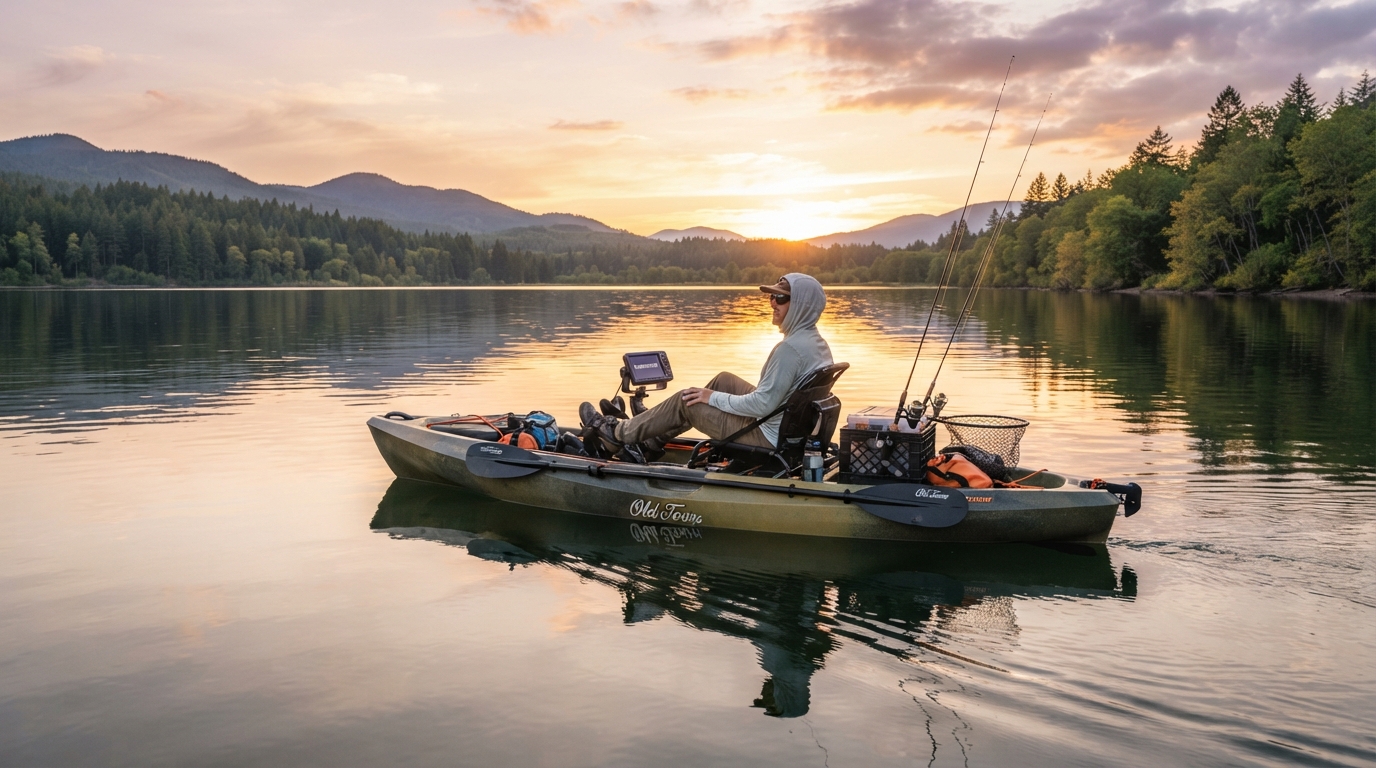
What is the average price range for a quality pedal fishing kayak? Stepping into the world of pedal-driven watercraft is one of the best upgrades an angler can make. Trading a traditional handheld paddle for a high-efficiency foot-drive system transforms how you fish—keeping your hands entirely free to manage casting lines, fight fish, and control electronics, even when tackling fierce winds or strong currents.
However, because pedal kayaks require advanced hull engineering, precision-molded drive wells, and intricate mechanical or fin-based gear assemblies, they command a much higher price tag than standard paddle boats.
If you are shopping for a reliable watercraft, understanding the market is crucial. Across major hubs from the windy coastal flats of Texas and the tidal waters of New York to the open kelp beds of California, the Pacific Northwest waters of Washington, and the Bay currents of San Francisco, pricing varies heavily based on tier and features.
The average price range for a quality pedal fishing kayak spans from $1,500 to $4,000, with entry-level options starting around $900 and elite tournament-ready platforms pushing past $5,000.
Market Price Tiers Breakdown
To help you budget accurately, the pedal fishing kayak market is generally divided into four distinct pricing tiers, each targeting different levels of performance, durability, and features.
1. Entry-Level / Budget Tier ($900 – $1,600)
- What you get: Simpler rotomolded or thermoformed hulls, basic hand-crank or entry-level propeller/fin drives, and standard adjustable seating.
- Who it’s for: Casual weekend anglers and recreational paddlers in calmer regional lakes or slow-moving rivers who want hands-free movement without spending a fortune.
- Compromises: Heavier hull weights, simpler seat adjustability, and pedal drives that may require more frequent maintenance or replacement parts over time.
2. Mid-Range / Core Performance Tier ($1,600 – $2,800)
- What you get: This is the sweet spot of the market. Brands like Old Town, Native Watercraft, Feelfree, and Hobie (entry models like the Passport) dominate this bracket. Expect robust polyethylene hulls, highly efficient pedal systems with instant reverse (propellers) or shallow-water kick-up (fins), advanced gear tracks, and all-day stadium comfort seats.
- Who it’s for: Serious enthusiasts and regular anglers navigating shifting winds and moderate currents.
3. High-End / Premium Tier ($2,800 – $4,500)
- What you get: Tournament-grade watercraft featuring elite stability (wide platforms allowing effortless standing), ultra-smooth drive mechanisms, premium layout optimization, and extensive customizable mounting options for fish finders and multiple rod holders.
- Who it’s for: Dedicated tournament competitors and offshore kayak anglers who demand absolute reliability in heavy chop.
4. Elite / Motor-Integrated Hybrid Tier ($4,500 – $6,000+)
- What you get: The absolute pinnacle of modern angling technology. This tier includes factory-integrated electric motor options with GPS “spot-lock” anchoring technology (like the Old Town AutoPilot series) or specialized 360-degree pedal drive systems (like the Hobie Pro Angler 360).
Top Product Reviews for Quality Pedal Fishing Kayaks
Evaluating specific market-leading models helps put these price ranges into perspective. Here are the top-rated pedal fishing kayaks available today, categorized by build quality, drive type, and cost.
| Product Name | Drive Type | Price Range | Primary Material | Key Standout Feature |
| Old Town Sportsman PDL 120 | Propeller (Forward/Reverse) | $2,500 – $2,999 | Single-layer Polyethylene | Industry-standard rock-solid pedal reliability with a 5-year drive warranty. |
| Hobie Mirage Compass / Passport 12 | MirageDrive (Fin-based) | $1,800 – $2,799 | Rotomolded Polyethylene | Lightweight, efficient fin glide that hugs shallow bottoms easily. |
| Native Watercraft Slayer Propel 10 | Propeller (Forward/Reverse) | $2,300 – $2,500 | Rotomolded Polyethylene | Exceptional tracking and quick acceleration in tight, choppy spaces. |
| 3 Waters Big Fish 120 V3 PDL | Propeller | $1,599 | Polyethylene | Premium layout comfort at a budget-friendly price point. |
| Hobie Mirage Pro Angler 14 360 XR | 360-Degree Fin Drive | $5,500 – $5,700 | Rotomolded Polyethylene | Absolute maximum stability with multidirectional 360 steering. |
Detailed Product Breakdown
1. Old Town Sportsman PDL 120
- Overview: Widely considered the gold standard for propeller-driven fishing kayaks, the Sportsman 120 PDL balances stability, speed, and storage.
- Performance: Its patented pedal drive allows instant reverse capability—crucial when trying to hold position against a sudden gust of wind or backing away from submerged structure.
- Pros: Bulletproof drive longevity; massive aftermarket accessory support; highly comfortable mesh seat.
- Cons: At over 100 pounds fully rigged, it requires a trailer or a solid cart system to transport.
2. Hobie Mirage Compass
- Overview: For anglers who prefer a lightweight fin-drive system over a heavy propeller cassette, the Hobie Compass delivers legendary Hobie engineering at a more accessible mid-tier price point.
- Performance: The glide-style fin motion is remarkably quiet, allowing you to sneak up on wary fish in shallow flats.
- Pros: Lighter overall footprint; easy-to-stash MirageDrive.
- Cons: Does not feature direct mechanical reverse (requires a kick-up reverse modification or turning the kayak).
What Drives the Cost of a Quality Pedal Kayak?
Understanding why these watercraft carry a steep price tag helps justify the investment. Several engineering elements contribute to the final retail cost:
- The Drive Mechanism: Precision-machined gears, stainless steel components, and high-strength marine plastics used in pedal assemblies cost significantly more to manufacture than a basic molded plastic paddle.
- Hull Engineering & Rotomolding: High-end fishing kayaks require complex multi-channel hulls designed to handle weight distribution, tracking, and the intensive structural stress of a center pedal well without flexing or leaking.
- Seating Systems: Ergonomic, elevated stadium-style frames built with quick-drying, breathable mesh allow anglers to sit comfortably for 8 to 10 hours without lower back strain.
- Warranties and Customer Support: Premium brands back their hulls and drives with multi-year or lifetime warranties, baking the cost of long-term customer service into the retail price.
Regional Buying Considerations: Texas, New York, California, Washington & San Francisco
Where you fish dictates the type of pedal kayak—and the budget—you should invest in.
[Define Target Environment]
          │
          ├──> Texas (Shallow bays, wind): Prioritize Propeller Drive + Foot Rudder
          ├──> NY & SF (Tides, commercial traffic): Prioritize High Stability & Motor Ready
          └──> Washington (Cold alpine/coastal): Prioritize Seaworthy Hulls & Dry Storage
- Texas Coastal Flats & Bays: Wind is your primary adversary in places like Galveston or Corpus Christi. You will want a reliable propeller-driven kayak with instant reverse and a sensitive foot-controlled rudder system to keep you tracking straight when crosswinds pick up.
- New York & San Francisco Harbors: Navigating tidal exchanges, heavy commercial boat traffic, and choppy urban waterways requires exceptional primary and secondary stability. Do not scrimp on budget here; opt for mid-to-high tier models (like the Old Town BigWater or Hobie Outback) that can handle sudden boat wakes safely.
- Washington State & Pacific Northwest: Cold alpine lakes and rugged coastal inlets demand thick, durable rotomolded hulls that can withstand accidental impacts against submerged timber or rocky shores without cracking.
10 Comprehensive FAQs: Everything You Need to Know
1. Why are pedal fishing kayaks so expensive?
Pedal kayaks are expensive because they are essentially miniature watercraft built with complex mechanical drive systems, specialized hardware, gear tracks, and thick, rotomolded plastic hulls engineered to support an adult standing up. The R&D and manufacturing tolerances required for a reliable pedal drive drive up the retail cost.
2. Is a fin-drive or propeller-driven kayak better?
It depends on your fishing style. Propeller systems (like Old Town or Native) offer instant forward and reverse, making them ideal for holding position in current. Fin systems (like Hobie) allow the fins to tuck flat against the bottom of the hull, making them superior in shallow, rocky, or weed-choked waters because they automatically deflect upon impact.
3. Can I buy a cheap $500 pedal kayak safely?
Be extremely cautious with ultra-cheap, unbranded pedal kayaks found on discount online marketplaces. Poorly sealed drive wells often leak water into the hull, and cheap plastic gears inside the pedal unit are prone to stripping under minimal leg pressure, leaving you stranded on the water.
4. How much maintenance do pedal drives require?
Minimal, but consistent care is mandatory. After every trip in saltwater (such as San Francisco Bay or the Texas Gulf coast), you must thoroughly rinse the drive unit and hull scuppers with fresh water to prevent salt crystallization, corrosion, and bearing lockup.
5. Can I still paddle a pedal kayak if I get tired?
Yes. Every pedal kayak comes with molded paddle storage clips and a standard paddle. If your legs get fatigued or you enter water that is too shallow for the drive mechanism, you can pull the drive out, stow it on your lap or floor, and paddle normally.
6. Are used pedal kayaks worth buying to save money?
Yes, but inspect them carefully. Because replacement pedal drives can cost $700 to $900 independently, always test the drive mechanism on or off the water before buying a used kayak to ensure the gears, cables, and fins/propellers are undamaged.
7. Do pedal kayaks require registration or a license?
In most U.S. states (including Texas, New York, California, and Washington), non-motorized human-powered kayaks do not require state registration. However, if you upgrade your pedal kayak with an electric trolling motor or a motorized kit, check your local state laws, as motorized watercraft typically require registration.
8. What is the maximum weight capacity I should look for?
Always calculate your total weight: your body weight + fishing gear, cooler, battery, and the heavy pedal unit itself. A quality fishing kayak should have a maximum weight capacity where your total load uses no more than 75% to 80% of the limit, ensuring the scupper holes stay well above the waterline.
9. Can I stand up and fish in a pedal kayak?
Most mid-to-high tier pedal kayaks ($2,000+) feature wide, flat, non-slip deck platforms specifically engineered for standing up. Entry-level narrow kayaks may feel too tippy for confident standing unless you add outrigger stabilizers.
10. What is the best all-around brand for a reliable investment?
Brands with long-standing market reputations like Old Town, Hobie, and Native Watercraft consistently offer the best resale value, customer support, and readily available replacement parts, making them the safest long-term investment for serious anglers.
Conclusion
Investing in a quality pedal fishing kayak requires a realistic budget ranging between $1,500 and $4,000. While the upfront cost is higher than a traditional paddle setup, the ergonomic freedom, hands-free boat control, and enhanced fishing efficiency completely transform your time on the water. Whether you are navigating the dynamic waters of New York, tackling coastal winds in Texas, or exploring the Pacific currents in California and Washington, selecting a well-engineered model from a reputable brand ensures years of safe, reliable, and comfortable angling adventures.