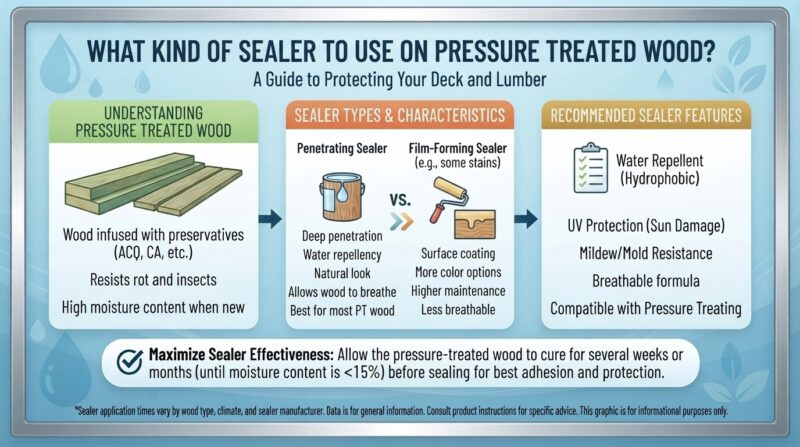
Quick Take: The best sealer for pressure-treated wood is a deep-penetrating, oil-based or hybrid semi-transparent water-repellent stain and sealer. Clear sealers offer basic water protection but fail against UV damage, causing the lumber to turn gray quickly. Solid stains protect well against UV rays but tend to peel on high-foot-traffic horizontal decks. Penetrating semi-transparent formulas nourish lumber, allow natural grain to show, and will non-peel as they age. Never seal freshly installed pressure-treated lumber immediately—you must let it dry for 1 to 6 months until it passes the simple “water drop test.”
Executive Overview: The Chemistry of Pressure-Treated Wood
Pressure-treated lumber (often Southern Yellow Pine or Douglas Fir) is chemically forced with preservative fluid under high pressure inside massive industrial retorts. The preservative—typically copper-based solutions like Micronized Copper Azole (MCA), Alkaline Copper Quat (ACQ), or Copper Azole (CA)—guards against fungal decay, termites, and wood-rot organisms.
However, pressure treatment does not make wood waterproof or immune to sun damage.
                               THE DEGRADATION CYCLE OF UNSEALED LUMBER
┌─────────────────────────┐       ┌─────────────────────────┐       ┌─────────────────────────┐
│     WATER ABSORPTION    │  ──►  │    UV RADIATION ATTACK  │  ──►  │     MECHANICAL FAILURE  │
│ Wood absorbs rain/dew,  │       │ Sunlight breaks down    │       │ Continuous swelling/    │
│ swells, then shrinks in │       │ lignin fibers, turning  │       │ shrinking causes warping│
│ intense sun.            │       │ the surface dull gray.  │       │ checking, & splinters.  │
└─────────────────────────┘       └─────────────────────────┘       └─────────────────────────┘
Without a proper surface sealer:
- Moisture Cycling: Rain and high humidity cause the wood cells to swell. Direct heat and sunshine evaporate moisture rapidly, shrinking the fibers. This continuous cycle leads to deep structural cracks (checking), twisting, and warping.
- Lignin Oxidation: Solar ultraviolet (UV) radiation breaks down lignin—the natural glue holding wood fibers together. Unprotected pressure-treated lumber turns a weathered gray within 3 to 6 months.
- Surface Splintering: Exposed fibers loosen, creating hazardous splinters on bare feet across decks and boardwalks.
Selecting the correct sealer formula ensures your deck, fence, or pergola resists moisture penetration while blocking harmful UV radiation.
The 4 Main Types of Sealers for Pressure-Treated Wood
Choosing the right protective coating requires balancing durability, aesthetic appearance, and maintenance ease.
1. Clear Water-Repellent Sealers
Clear sealers consist of paraffin wax, silicone, or synthetic resins suspended in a liquid base. They penetrate porous wood to create an invisible, hydrophobic barrier that forces water to bead up.
- Pros: Enhances the natural tone and grain pattern of pressure-treated lumber without altering its color.
- Cons: Contains minimal or zero UV-blocking pigments. Sun rays bypass clear coatings, degrading wood fibers and turning the lumber gray within 12 months.
- Best Used For: Shadowed or covered areas (under-deck framing, covered joists, storage sheds) where direct sunlight exposure is minimal.
2. Semi-Transparent Stains & Sealers
Semi-transparent formulations combine waterproofing oils or acrylic resins with fine ground iron-oxide pigments. They allow the natural wood grain and knots to show through while tinting the surface in tones like cedar, redwood, or walnut.
- Pros: Translucent pigments absorb and reflect harmful UV rays, preventing color bleaching. Penetrating formulas soak into the wood structure instead of forming a thick surface film, preventing peeling and flaking over time.
- Cons: Requires reapplication every 2 to 3 years on horizontal surfaces exposed to traffic and full sun.
- Best Used For: Outdoor decks, docks, fences, and outdoor wooden furniture. This is the gold standard for pressure-treated pine.
3. Semi-Solid Sealers
Semi-solid sealers contain higher pigment concentrations than semi-transparent stains. They obscure most of the natural grain while leaving raw wood texture visible.
- Pros: Excellent UV protection for older, weathered pressure-treated wood that exhibits color variations, surface checking, or dark water stains.
- Cons: Hides natural wood character; creates a thin surface film that can wear down unevenly on high-traffic walkways.
- Best Used For: Older decks (5+ years old), aging wooden fences, or wood structures with cosmetic imperfections.
4. Solid Color Stains (Opaque Sealers)
Solid stains act like thin paints. They form an opaque, solid film over the surface, hiding grain and texture under a uniform color.
- Pros: Maximum UV blocking and weather protection. Offers the longest service life on vertical surfaces like fence pickets and siding (up to 5–7 years).
- Cons: Forms a non-breathable film over the wood. Moisture trapped inside pressure-treated lumber can force solid coatings to blister, crack, and peel. Stripping solid stain from a deck is labor-intensive.
- Best Used For: Vertical surfaces (fences, railings, siding) or older decks where wood aesthetics have severely degraded.
Detailed Comparison: Sealer Types & Formulations
| Sealer Classification | Base Chemistry | UV Protection | Lifespan (Deck) | Lifespan (Fence) | Risk of Peeling | Ideal Application |
| Clear Water Repellent | Oil or Water | Very Low | 1 Year | 1–2 Years | Low | Covered Joists, Underside |
| Semi-Transparent Sealer | Oil, Water, or Hybrid | Moderate to High | 2–3 Years | 3–4 Years | Minimal (Penetrates) | New/Restored Decks |
| Semi-Solid Sealer | Water or Oil-Modified | High | 3–4 Years | 4–5 Years | Low to Moderate | Aged Decks, Weathered Pine |
| Solid Color Stain | Acrylic Water-Based | Maximum | 3–5 Years | 5–7 Years | High on Decks | Fences, Railings, Siding |
Oil-Based vs. Water-Based Sealers: Which Base is Better?
Understanding the chemical solvent carrying the protective resins into the wood is critical for long-term performance.
       OIL-BASED SEALERS (ALKYD / NATURAL OILS)             WATER-BASED SEALERS (ACRYLIC RESINS)
┌──────────────────────────────────────────────┐     ┌──────────────────────────────────────────────┐
│  • Deep cellular penetration                 │     │  • Environmentally friendly (Low VOC)        │
│  • Nourishes dry wood fibers                 │     │  • Dries quickly (1-2 hours)                 │
│  • Long open time (easy application)         │ ──► │  • Excellent color retention (won't yellow)  │
│  • Slow drying (24-48 hours)                 │     │  • Simple soap-and-water cleanup             │
│  • High VOC emissions (restricted in CA, NY) │     │  • Can be applied to damp wood surfaces      │
└──────────────────────────────────────────────┘     └──────────────────────────────────────────────┘
Oil-Based Sealers (Deep Penetration)
Oil-based formulas use natural oils (linseed, tung) or synthetic alkyds carried by mineral spirits.
- Advantages: Deep penetration past surface layers, conditioning dry lumber from within. Slow drying allows ample time to blend wet edges without lap marks. Excellent durability in freeze-thaw winter conditions.
- Disadvantages: High volatile organic compound (VOC) levels restrict sale in states with strict clean-air regulations (California, New York, Washington). Requires mineral spirits or paint thinner for clean-up.
Water-Based Sealers (Modern Acrylic Polymers)
Water-based sealers use water to carry nano-acrylic resins into wood pores.
- Advantages: Environmentally safe, low odor, compliant with strict VOC laws across all US states. Dries rapidly, letting homeowners finish sealing in a single day. Can often be applied to damp wood (24 hours after rain or washing). Cleanup requires only soap and warm water.
- Disadvantages: Quick drying time can leave lap marks if applied in direct sunlight. Higher risk of surface film creation if over-applied.
Regional Climate Guide: Choosing a Sealer by State
Environmental conditions alter how sealers cure and withstand wear. Align your sealer selection with regional weather profiles across the target states:
1. Texas (Extreme Heat & Intense Solar UV)
- Climate Challenges: Prolonged high heat, intense solar radiation, flash thunderstorms, and drought conditions.
- Recommended Sealer: Oil-based or hybrid semi-transparent sealer containing transparent iron-oxide pigments.
- Key Tip: Pigments act like sunblock for wood. Avoid clear sealers in Texas—they will break down under intense UV within 6 to 9 months. Apply sealers in early morning or shaded conditions to prevent rapid solvent evaporation.
2. New York (Freeze-Thaw Cycles & Severe Winters)
- Climate Challenges: Sub-zero winter temperatures, snow accumulation, ice melt chemicals, and humid summers.
- Recommended Sealer: Penetrating oil-based or high-resin water-based semi-transparent sealer.
- Key Tip: Do not use solid acrylic sealers on horizontal deck boards in New York. Trapped moisture under freezing snowpack expands, cracking surface films and triggering peeling by springtime.
3. California & San Francisco (Strict VOC Laws & Marine Microclimates)
- Climate Challenges: Stringent environmental regulations (SCAQMD limits VOCs to under 100 g/L). Coastal fog, damp salt air, and high humidity in Northern California versus intense UV in Southern California.
- Recommended Sealer: Ultra-low VOC water-based acrylic or bio-based penetrating oil sealer.
- Key Tip: Coastal San Francisco decks require sealers with active mildewcides to prevent dark mold and algae growth caused by persistent damp fog.
4. Washington (Heavy Rainfall & High Moisture)
- Climate Challenges: Protracted precipitation, damp soil, low sunlight hours, and widespread algae spore growth.
- Recommended Sealer: Breathable water-based acrylic sealer enriched with zinc-based fungicides.
- Key Tip: Wood must dry thoroughly before sealing. Wait for a clear weather window featuring 3 to 4 consecutive days without rain, or use specialized damp-wood water-based sealers.
How to Test If Pressure-Treated Wood is Ready for Sealer
New pressure-treated wood is saturated with chemical liquid at the processing plant. Sealing damp lumber traps internal moisture, causing wood rot, mold growth, and sealer failure.
Follow the Water Drop Test to confirm readiness:
                                  THE WATER DROP TEST
┌────────────────────────────────────────────────────────────────────────────────────────┐
│  Step 1: Sprinkle a few drops of clean water onto the wood surface.                    │
├────────────────────────────────────────────────────────────────────────────────────────┤
│  RESULT A: Water beads up into tight droplets.                                         │
│  └── Action: The wood is too wet or treated with factory wax. WAIT 2 to 4 WEEKS.        │
├────────────────────────────────────────────────────────────────────────────────────────┤
│  RESULT B: Water absorbs into wood pores within 10 to 30 seconds.                     │
│  └── Action: The wood is dry, porous, and READY FOR SEALER APPLICATION.                │
└────────────────────────────────────────────────────────────────────────────────────────┘
┌───────────────────────────────────────────────────────────────────────────┐
│                    DRYING TIMELINE BY LUMBER GRADE                        │
├────────────────────────────┬──────────────────────────────────────────────┤
│ Lumber Type                │ Expected Wait Time Before Sealing            │
├────────────────────────────┼──────────────────────────────────────────────┤
│ Wet Treated (Standard)     │ 1 to 3 months (Warm, dry weather)            │
│ Wet Treated (Winter/Humid) │ 3 to 6 months                                │
│ KDAT (Kiln-Dried After)    │ Ready immediately or within 1 to 2 weeks     │
│ Factory Water-Repellent    │ 3 to 6 months (Must weather off factory wax) │
└────────────────────────────┴──────────────────────────────────────────────┘
Step-by-Step Guide: How to Apply Sealer Like a Pro
To achieve a long-lasting finish, follow this step-by-step application workflow:
Pro Application Tips & Mistakes to Avoid
- Tip 1: Always Back-Brush: Spraying or rolling alone leaves sealer resting on surface high points. Back-brushing with a high-density natural or synthetic brush forces liquid deep into wood cells.
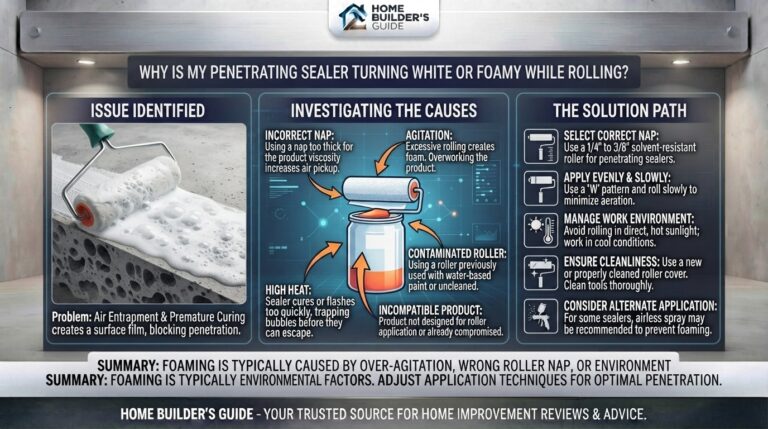
- Tip 2: Avoid Wet-On-Dry Second Coats: Penetrating sealers are formulated to soak into raw wood. If you allow the first coat to dry completely, it will repel the second coat, leaving a sticky, glossy surface layer that will peel. Apply a second coat wet-on-wet within 15 to 30 minutes of the first coat.
- Tip 3: Check Weather Forecasts: Avoid sealing if rain is expected within 24 hours, or if temperatures drop below 50°F overnight. Rain on uncured oil sealers causes clouding and water spotting.
- Tip 4: Never Seal Hot Wood in Direct Sunlight: High surface temperatures evaporate liquid solvents before the resins can penetrate wood fibers, causing flash-drying and early finish failure.
Troubleshooting Common Sealer Issues
┌───────────────────────────────────────────────────────────────────────────┐
│                      SEALER TROUBLESHOOTING GUIDE                         │
├────────────────────────────┬──────────────────────┬───────────────────────┤
│ Symptom                    │ Root Cause           │ Corrective Action     │
├────────────────────────────┼──────────────────────┼───────────────────────┤
│ Sticky/Tacky Surface       │ Over-application or  │ Wipe down with        │
│                            │ unabsorbed sealer    │ mineral spirits or    │
│                            │ left on surface.     │ cleaner; scrub off.   │
├────────────────────────────┼──────────────────────┼───────────────────────┤
│ Flaking/Peeling Finish     │ Trapped moisture or  │ Strip completely with │
│                            │ sealing over damp    │ chemical stripper;    │
│                            │ lumber.              │ sand and re-apply.    │
├────────────────────────────┼──────────────────────┼───────────────────────┤
│ Dark Mold/Algae Growth     │ High humidity; lack  │ Clean with diluted    │
│                            │ of mildewcide in     │ bleach/oxygen bleach; │
│                            │ sealer formula.      │ re-seal with mildew-  │
│                            │                      │ resistant sealer.     │
├────────────────────────────┼──────────────────────┼───────────────────────┤
│ Blotchy/Uneven Color       │ Uneven wood porosity │ Lightly sand surface; │
│                            │ or lap marks during  │ apply a light, even   │
│                            │ drying.              │ maintenance coat.     │
└────────────────────────────┴──────────────────────┴───────────────────────┘
10 Frequently Asked Questions (FAQ)
1. Can I use Thompson’s WaterSeal on pressure-treated wood?
Yes, Thompson’s WaterSeal can be used on pressure-treated lumber, provided the wood passes the water drop test and is thoroughly dry. Clear formulas provide basic water protection, but choosing their tinted or semi-transparent options offers vastly superior UV protection and durability.
2. How long must I wait to seal a brand-new pressure-treated deck?
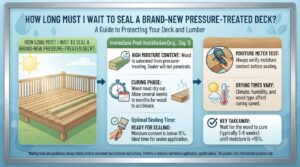
It depends on moisture content. Standard wet pressure-treated lumber typically needs 1 to 3 months of dry, warm weather to dry out. Kiln-Dried After Treatment (KDAT) lumber can be sealed within 1 to 2 weeks. Always verify using a moisture meter (under 15% moisture) or the water drop test before sealing.
3. Should I choose oil-based or water-based sealer for pressure-treated pine?
Oil-based sealers generally offer superior penetration and fiber nourishment for outdoor pressure-treated pine, making them ideal for harsh freeze-thaw climates. However, high-quality modern water-based acrylic sealers dry faster, emit fewer VOCs, clean up with water, and are required in low-VOC states like California and New York.
4. Is it better to paint, stain, or seal a pressure-treated fence?
Sealing or staining with a semi-transparent penetrating formula is better than painting. Paint forms an opaque, non-breathable skin over wood. When moisture inevitably penetrates cracks in paint, it gets trapped underneath, causing widespread peeling, flaking, and rot. Penetrating stains and sealers wear down gracefully without peeling.
5. Can I apply sealer with a garden pump sprayer?
Yes, using a heavy-duty pump sprayer is one of the fastest ways to apply thin oil-based or water-based sealers across large surfaces like decks and fences. However, you must back-brush immediately behind the spray pattern with a wide stain brush to work the liquid into the wood grain and even out drips.
6. Will sealing pressure-treated wood stop it from splitting and warping?
A high-quality sealer significantly reduces checking, splitting, and warping by slowing down moisture movement in and out of wood cells. While sealer cannot completely alter natural wood movement, stopping water absorption mitigates severe structural cracking over time.
7. What happens if I seal pressure-treated wood too early?
Sealing damp or green pressure-treated wood traps moisture inside the lumber. As sun heats the surface, water converts to vapor and attempts to escape, pushing against the sealer film. This leads to blistering, peeling, black mold growth, and premature finish failure.
8. How often do I need to reapply sealer on a pressure-treated deck?
Horizontal surfaces exposed to foot traffic, snow, and direct sunlight generally require reapplication every 2 to 3 years. Vertical surfaces like fences and balusters experience less wear and can go 3 to 5 years between maintenance coats.
9. Do I need to sand pressure-treated wood before sealing?
Sanding is not strictly mandatory, but light sanding with 60-to-80-grit sandpaper removes mill scale (a slick, shiny layer created during mill manufacturing) on new boards. Removing mill scale opens wood pores, maximizing sealer absorption and durability.
10. How much sealer do I need for a standard deck?
Most penetrating sealers cover 150 to 250 square feet per gallon on smooth, previously sealed wood, and 100 to 150 square feet per gallon on rough, highly porous, or unsealed lumber. Always measure your deck square footage and buy 10–15% extra to account for railings and stair risers.
Conclusion & Summary Checklist
Protecting pressure-treated lumber requires using the right product at the right time. For most homeowners, a semi-transparent penetrating sealer delivers the best balance of waterproofing, UV resistance, and natural appearance.
Final Checklist for Sealing Success:
- Perform the Water Drop Test: Ensure water absorbs quickly before applying any product.
- Match Regional Needs: Choose UV-heavy formulas for sun-drenched states like Texas, low-VOC water-based options for California/New York, and mildew-resistant coatings for damp regions like Washington.
- Prep Thoroughly: Wash, brighten, and let the wood dry to below 15% moisture content.
- Back-Brush and Maintain: Work sealer deep into wood pores and plan for maintenance coats every 2–3 years.